The year is 1920.
The Empires of Europe have spent the last half decade blowing each other up with bombs, guns and heavy artillery.
As World War 1 burns itself out, men who survived the fighting begin to wonder if a better world, a world without empires and wars, is possible.
These working class men return home to grinding poverty and the brutal conditions of factory work. Many still do not even have the vote.
For seventy years, since that famous manifesto was published, a spectre had haunted Europe, the spectre of communism.
In 1918 soldiers returning to Russia joined a revolution and pulled down the empire of the Tsars, and established the first communist state.
Men across Europe begin to believe that their dreams of a better world can become real. That the old order of empires and war could be torn down
and in its place could be made a new order.
Become a member to watch the full video
Members get full access to all videos and posts
Or on YouTube https://youtu.be/TFIRYo0h-ZU
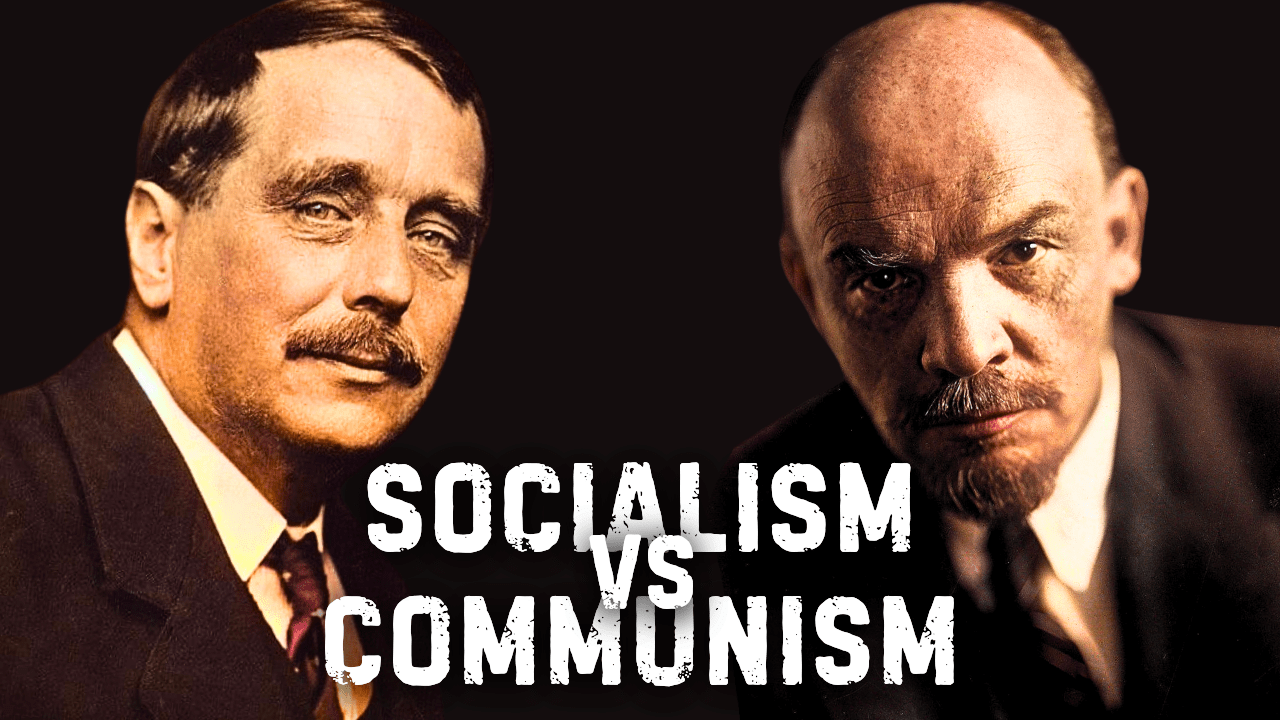
This is the story of a meeting between two men whose dreams of a new world order had a powerful impact on the 20th century.
Vladimir Ilyvich Lenin was the most famous revolutionary leader in history.
Aged 17 Lenin saw his brother executed for a plot to kill the Tsar Alexander III. Lenin dedicated his life to revenge, joining the revolutionaries and ultimately leading them to power in 1918.
Lenin’s climb to power has all the drama of a Tolstoy novel. Bank robberies, exhile, imprisonment, intrigue, civil war and murder.
While the facts are disputed, it’s very likely that Lenin took his revenge by ordering the death by firing squad of the Tsar Nicholas II and his family.
Lenin was the definition of a brutal dictator. The Red Terror of 1918 to 1922 was a purge of hundreds of thousands of Russian military officers and bureaucrats.
And purge means Lenin had all those people killed.
Support Science Fiction with Damien Walter as a member
Access to all videos, essays and community

But Lenin also proved a dynamic leader of Russia, after centuries of stagnation under the Tsars, beginning the nation’s full industrialisation and electrification.
Great leader? Or mass murderer?
Either way, Vladimir Lenin carved his name into history, as one of the men who shaped the new order of the modern world.
The man coming to meet Lenin, who will also have a powerful influence over the new world, is
wait
a science fiction writer??
H.G.
Herbert George to his friends
Wells
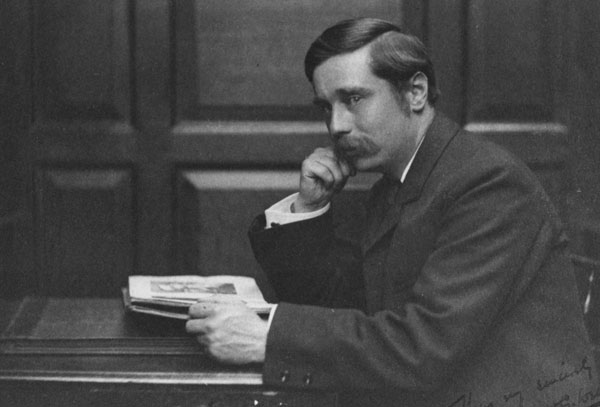
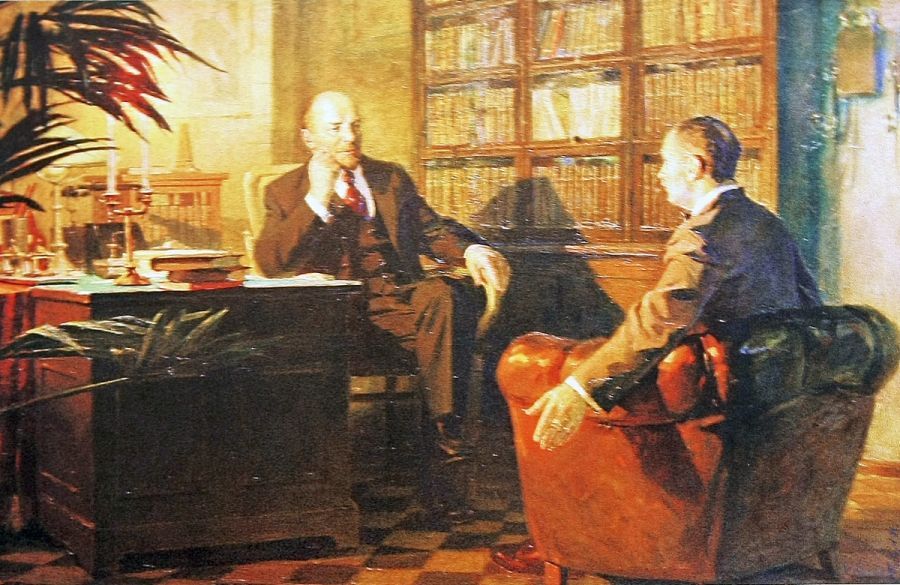
As HG Wells journeyed across Moscow to his meeting with Lenin, he noted changes to the Russian capital.
There were “many traces of the desperate street fighting” from the 1918 civil war that brought Lenin and his Bolsheviks to power.
The deep poverty of pre-revolutionary Moscow was, as yet, unchanged. Beggars were as common as ever.
The revolutionary impact of a sign reading “Religion Is The Opium” near St Basils cathedral was lessened by the brutal fact that most Russian people still could not read.
1920 was HG Wells second visit to Russia. His first had been in 1914, before the revolution. Both visits were made possible by Wells’ friendship with the Russian writer Maxim Gorky, as would be his third and final trip to Moscow…but we’ll get to that.
Wells observed darker events still at the Kremlin. What had been under the Tsars a palace open to the public “much as Windsor castle” was now surrounded with police checkponts.
To meet Lenin, Wells had to be cleared through layers of bureaucrats and functionaries, that might be necessary for Lenin’s safety, but did not bode well for the dictator’s connection to the ordinary people.
The Lenin that awaited Wells was a “personality entirely different from anything I had expected to meet”
But the HG Wells who entered Lenin’s office is also not quite the science fiction writer we remember today.
Today HG Wells is remembered as the writer of science fiction stories like The Time Machine, The Island of Doctor Moreau, The Invisible Man and The War of the Worlds
Wells is often called “the father of science fiction”
But HG Wells almost certainly never heard the term “science fiction” and there is no record of him ever using it
Science fiction came into public usage after the magazine editor Hugo Gernback coined the term Scientifiction, which his readers simplified as science fiction.
So how did HG Wells describe his own books and stories?
In a letter to his friend and fellow novelist Henry James, Wells stated that “literature, like architecture, is a means, it has a use”.
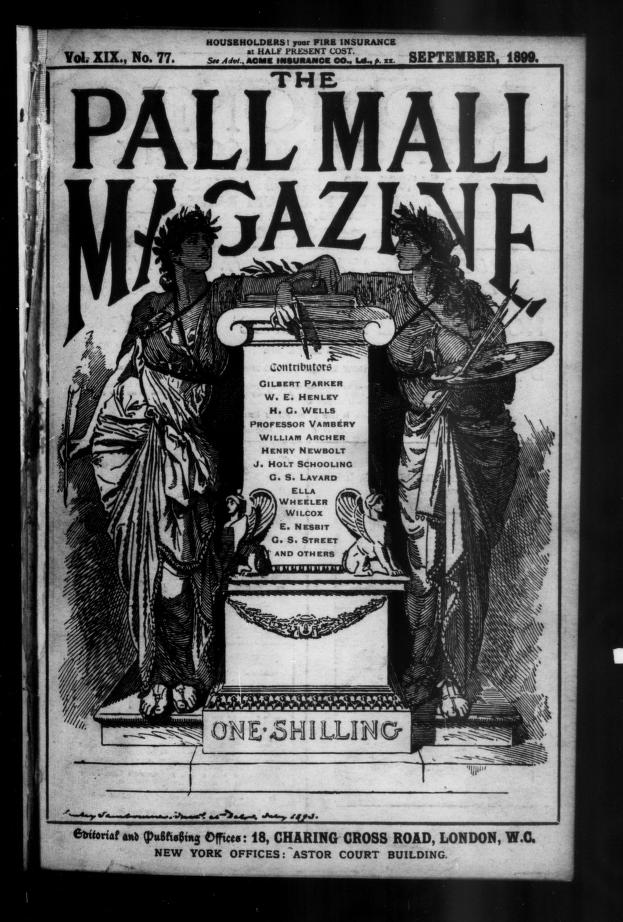
In an interview early in his career with the Pall Mall Gazette, Wells gave a clue to what he believed that use should be.
“My stories…are the expression of a socialistic, unbelieving person in revolt against the limitations set about his life.”
That revolt lead Wells to a lifelong commitment to left wing politics, including his membership of the Fabian society, and a belief in the values of socialism.
HG Wells *was* the father of SF
Not just science fiction,
but socialist fiction
#
HG Wells was writing at a revolutionary time for the human understanding of the universe and everything.
Science was tearing down old myths and showing a reality stranger than any known by religion.
We lived in a vast galaxy of stars, within an infinite universe stretching billions of years back in deep time, and powerful evolutionary forces that had given birth to human life.
Wells was among the first to see the new reality revealed by science, and to tell new stories, new myths, for the age of science.
But if men were not the creation of God above, but the product of forces of evolution, surely the way men lived together, human civilization, could and should evolve also?
And the civilization HG Wells believed we could and should evolve towards was socialism.
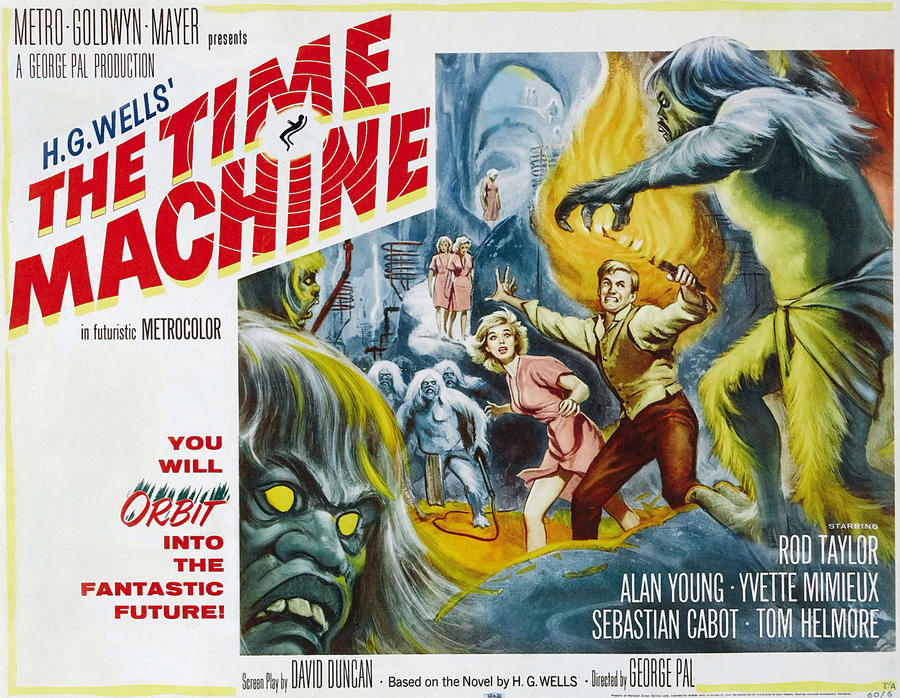
THE TIME MACHINE
It’s hard to express the bold originality of The Time Machine when it was published in 1895. The very idea of a time machine, that we now take for granted, did not exist until Wells invented it.
The Time Machine developed from Wells 1888 story The Chronic Argonauts. Decades of imagination went into creating a new conception of deep time and human evolution.
The Time Traveller journeys 800,000 years into our future, a measure of time enough that humanity has evolved into two distinct species.
But the Eloi and Morlocks aren’t only an illustration of future human evolution. The Eloi are a pampered elite. But every now again, the Morlock working class rise up, and eat the Eloi.
HG Wells saw the socialist revolutions of the 20th century coming.

THE ISLAND OF DOCTOR MOREAU
Darwinian evolution had also opened Wells eyes to the possibilities of genetics. Long before genes were discovered, Well’s speculated on the potential for the genetic manipulation of life.
Human life. The Beast Folk created by Doctor Moreau may seem tame to us today, but Wells was among the first to grasp the horrifying possibilities of genetic manipulation.
And to ask whether humans can ever escape our genes. Are humans eternally subject to our nature? Or can humanity raise ourselves up from our origins as a species?
It’s the question posed by Doctor Moreau, and at the heart of socialist ideologies in the 20th century.
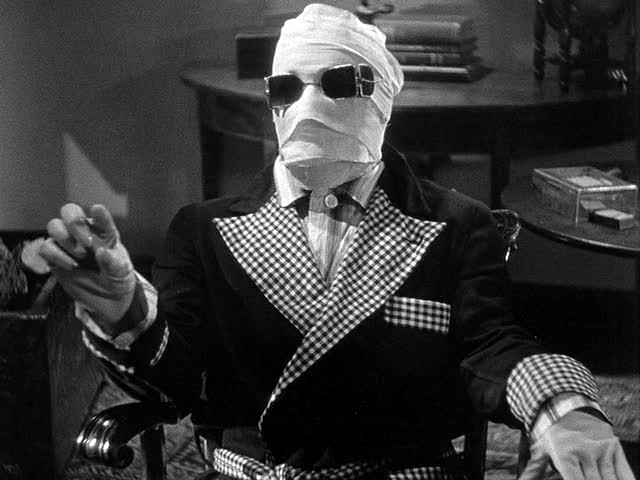
THE INVISIBLE MAN
The Invisible Man was likely inspired by the Tyndal effect, that light becomes visible only when refracted through the atmosphere.
By manipulating light refraction, Griffin, the only name given to the novel’s protagonist, becomes invisible. And uses that invisibility in a failed attempt to otherthrow British society.
HG Wells understood the invisibility of working class men. A long childhood sickness turned the young Wells into a well read and imaginative boy.
But aged thirteen Wells was indentured as a drapers assistant in Windsor. Wells’ active mind made this drudgery unbearable, and shaped his hatred of the British class system.
Working class men in Britain would not be fully enfranchised until 1918. Working men were, for most of Wells’ life, socially irrelevant and invisible. But it was those men, as they began to read and learn about politics, who powered the socialist revolutions of the 20th century.
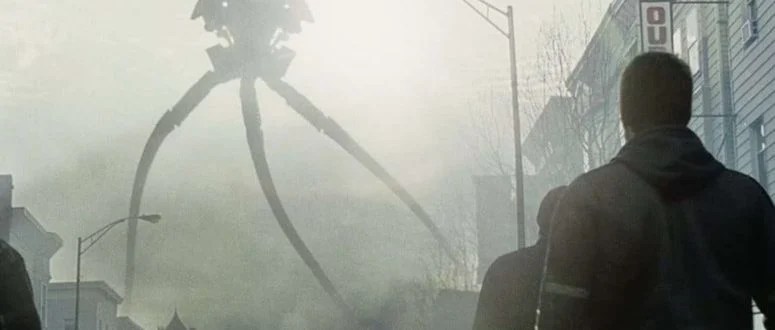
WAR OF THE WORLDS
War of the Worlds made HG Wells world famous.
Again, when alien invasions are today such a cliche of science fiction, it’s hard to remember what an incredible conceptual leap Wells’ story of Martians coming to Earth truly was.
War of the Worlds is also the novel where HG Wells throws down the gauntlet to call out British imperialism.
And Britain…didn’t really notice.
War of the Worlds was a massive bestseller in late Victorian Britain, and almost nobody noticed it was a polemical depiction of British colonialism.
The Martians are the British, and the territory being colonised is…Woking, Horsell Common, and the Home Counties.
Which are called the Home Counties because all the wealth of the British invasions of other lands flowed back home to them.
The heart of Empire, itself invaded.
War of the Worlds was sold as a new take on “Invasion Literature” like The Battle of Dorking, a reactionary and racist genre that imagined Britain invaded by the very “natives” the Empire colonised.
But Wells subverts the genre. His Martians have the technological superiority, and the “cool and unsympatheic” intellect of the British themselves.
And the Martians, as so often happened to British Imperial invasion forces, are defeated by sickness. Malaria defeated multiple British invasion forces. A common cold stops the Martians.
Wells’ early novels made him world famous, and developed many of the core ideas, from time travel to alien invasions, that became “science fiction”.
But they also show us the deep injustices of Wells’ world. An imperial world of colonial armies that murdered people of other races. A capitalist world of factories and sweatshops in which men, women and children were compelled to work. A world that would very soon tear itself apart in world war.
HG Wells dreamed of making a better world, of building a new world order, with the power of socialism.
“Those swarms of blacks, and brown, and dirty-white, and yellow people … will have to go”
So, these words written by Wells in 1901 are doubly perplexing, seeming to contradict all that came before, and would come after, in the dreams of HG Wells.
You will find these words quoted to accuse Wells of racism in numerous articles, from Christian creationists, to liberal news sources.
Let’s double click on this and give it our full attention.
The quote is taken from chapter 9 of Wells first non-fiction book
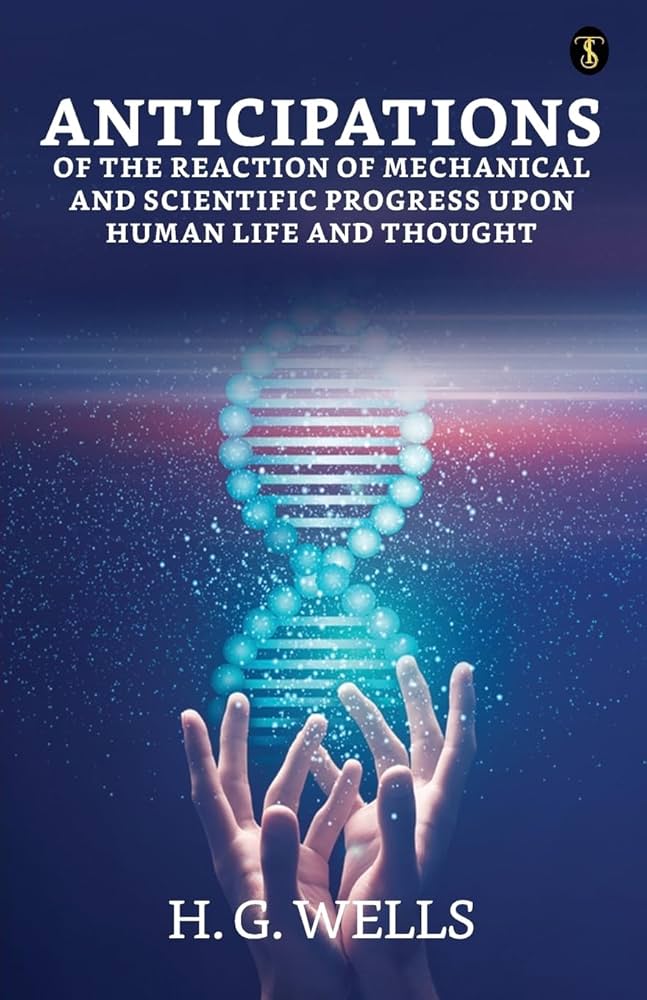
ANTICIPATIONS – OF THE REACTION OF MECHANICAL AND SCIENTIFIC PROGRESS UPON HUMAN LIFE AND THOUGHT
Anticipations is a *description* of the future Wells sees ahead, and that world’s reaction to technological change, not a *prescription* of the future Wells wants to see.
In chapter 9 Wells describes a New Republic that fuses technological development with a continued religious belief in God.
Wells was a believer in science, not religion. The New Republic isn’t the civilization Wells wants. It’s the one he thinks most likely.
This New Republic, Wells predicts, with its distorted fusion of science and religion, will lead to the gradual elimination of all other peoples.
The brute accusation of racism against HG Wells, based on a single quote removed from its context, does not stand up.
But.
HG Wells believed in science and technology.
And the power of science to make a better world. And better humans.
This lead Wells to consider the possibilities of eugenics, briefly, and then to reject them.
But however brief that dalliance, it highlights a profound weakness in Wells thinking.
Beginning with Anticipations and continuing through his fiction and non-fiction including A Modern Utopia (1905), The World Set Free (1914) and The Open Conspiracy (1928) Wells made the argument for a World State.
A scientific, technological world state that would use the power of technology to bring peace to the world.
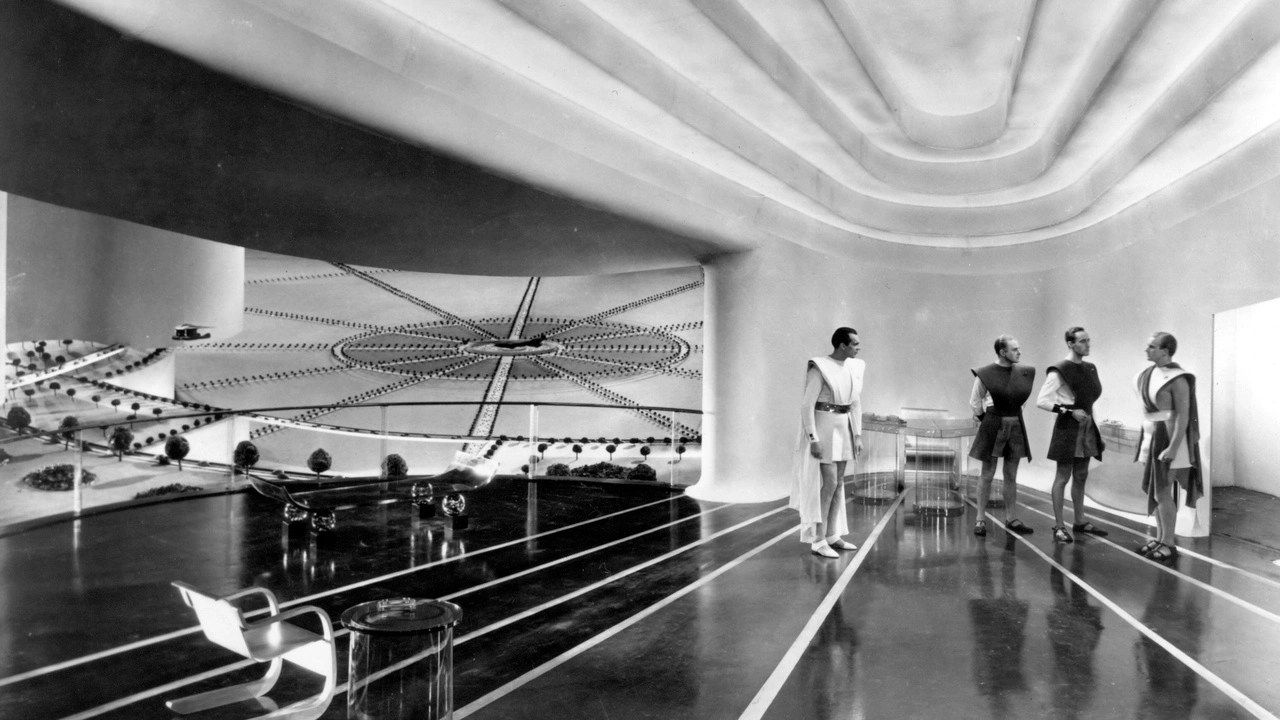
In The Shape of Things To Come (1933) filmed as Things To Come (1936) by Alexander Korda, Wells imagines the rise of his world state.
and the resistance to it from old empires
and religious demagogues.
Science triumphs over superstition, socialism defeats imperialism, and technology takes humanity to the stars.
But watching Raymond Massey deliver the closing monologue of Things To Come
having watched the “world state” bomb the world into “peace”
HG Wells future world state looks unmistakably
totalitarian
In 1940, at the darkest moment of World War 2, as the old world order is destroying itself
H G Wells published his detailed vision for a scientific world state
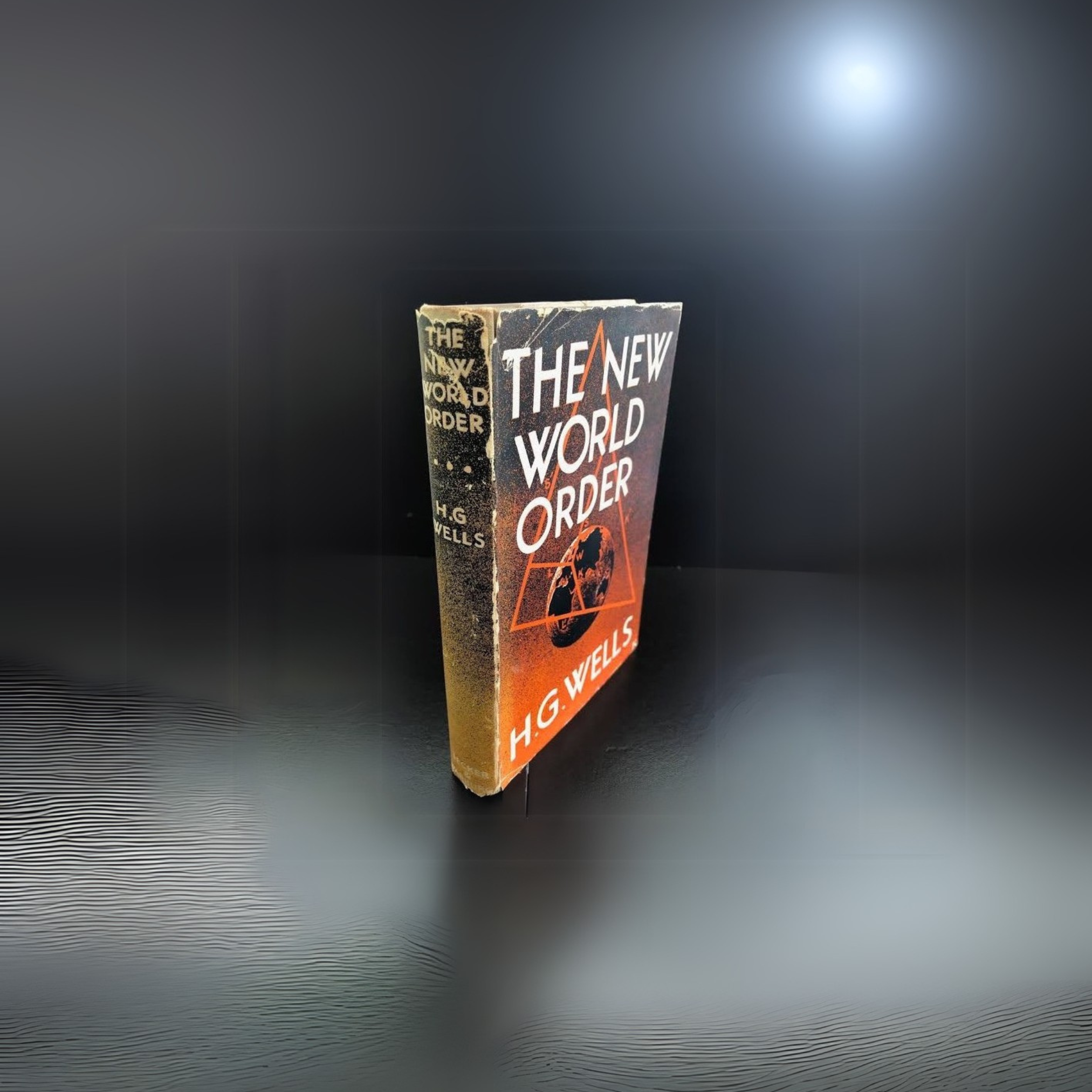
The New World Order
So the HG Wells who walks into the Kremlin in the year 1920 is a thinker with a deep belief in the powers of science and socialism to reorder the world.
But he’s about to meet a man with a very different vision of that same dream.
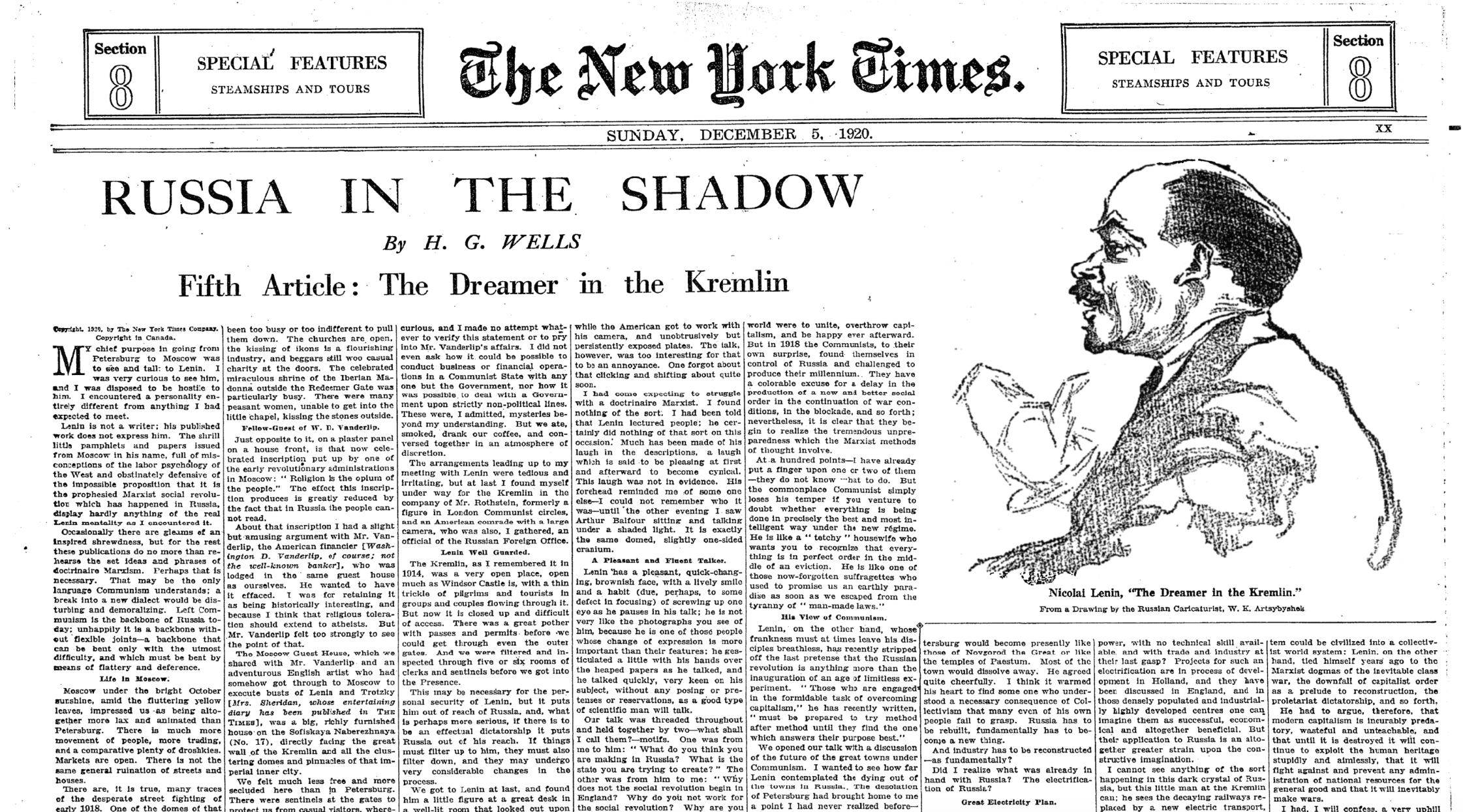
“Lenin is not a writer; his(…)shrill little pamphlets and papers(…)display hardly anything of the real Lenin mentality”
“I had come expecting to struggle with a doctrinaire Marxist. I found nothing of the sort.”
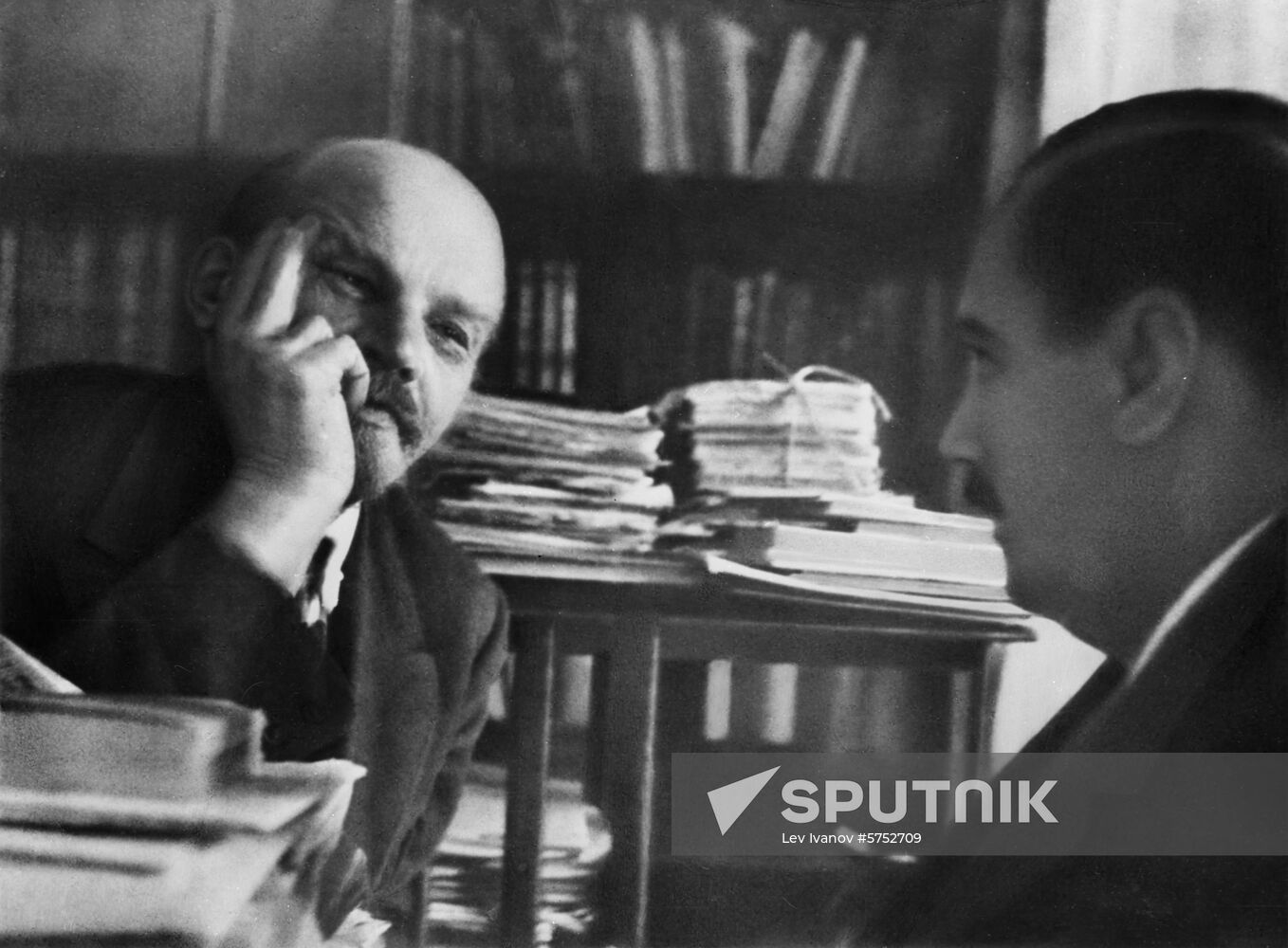
“Our talk was held together by two motifs. One was from me to him: ‘What do you think you are making of Russia? What is the state you are trying to create?’
The other was from him to me: ‘Why does not the social revolution begin in England? Why are you not destroying Capitalism and establishing the Communist State?”
HG Wells recorded his meeting with Vladimir Lenin in a chapter of Russia In The Shadows titled The Dreamer in the Kremlin.
And their conversation, while cordial on the surface, is a fight between two visions of a new order for the world.
Lenin was a revolutionary socialist, communist, and Marxist. He believed in a material, determinist progression of history, first into a stage of socialist dictatorship, then to a communist utopia. But Lenin also believed the socialist stage could only be realised by a revolutionary vanguard, led by Lenin and his Bolsheviks.
Lenin never says it, but the implication of everything he does say is…why isn’t Wells at the vanguard of such a revolution?
In response, Wells tells Lenin that his revolution is doomed.
Wells, as a member of the Fabian society, believes in what we today call social democracy, the gradual improvement of people’s lives through state policies like welfare and public health.
“The towns will get very much smaller,” Lenin admitted. “They will be different. Yes, quite different.”
We can imagine Wells raising an eyebrow at this admission from Lenin. Lenin is planning radical changes, but he’s also only realising as they speak that this will destroy Russias urban towns and cities.
Communism is being made up as the revolution goes.
The crucial moment in their meeting comes when Lenin, after some prodding from Wells, admits that
“The peasants in the other provinces, selfish and illiterate, will not know what is happening until their turn comes…”
And as they talk Lenin leans in conspiratorially. The workers, who the revolution was meant to help, have already become the enemy of the revolution’s vanguard.
But it’s the response of Wells and Lenin after their meeting that says the moat.
Wells damns Lenin with faint praise. The leader of a great nation is never happy to be described as a “dreamer”.
Lenin, as reported by Leon Trotsky, flys into a rage and dismisses Wells “What a bourgeois he is! He is a Philistine!”
Lenin’s revolutionary socialism has taken a beating, not from a capitalist opponent, but from a competing vision of a socialist world order.
In the decades that followed, Vladimir Lenin’s revolutionary socialism would lead to disaster. Wherever socialist revolutions emerged they sparked mass murder and mass starvation. None produced the fabled communist utopia.
The social democracy envisioned by HG Wells became a reality. Socialist reforms were implemented in the United States after the Great Depression, and in Europe in the wake of WW2. By the mid 20th century social democracy *was* the new order of the Western world.
Which makes the various conspiracy theories about a New World Order ironic. They’re like predicting a coming conspiracy by McDonalds to lower cardiac health with fast food. It already happened, and was never a conspiracy
The world order of globalisation and internationalism has already been and gone. The new world order is today, like this ragged first edition of Wells book, more of a used world order.
And that social democractic, liberal world order did exactly what Wells predicted. We tried to bomb the world into peace. Not with peace gas, but with “smartbombs”. We tried to make a better world with science and technology alone, and today those technologies look worryingly totalitarian.
#
Oh, and Wells’ third and final trip to Russia?
Was in 1930 to meet with the General Secretary of the Communist Party of the Soviet Union
Joseph Stalin
Their interview was fully documented by Wells. You can find it, along with other links and the script for this essay in the show notes for channel members. These videos are made possible by members, thank you to all of you.
Wells vs Stalin isn’t as revealing as Wells vs Lenin. But there is one absolutely essential exchange.
Stalin: …what is first required for a long voyage is a big ship. What is a navigator without a ship? An idle man.
Wells: The big ship is humanity, not a class.
Stalin: You, Mr. Wells, evidently start out with the assumption that all men are good. I, however, do not forget that there are many wicked men. I do not believe in the goodness of the bourgeoisie.
Stalinism wasn’t a new order, but just a return to the old order of empires and wars, violence and scapegoating. The old empires blamed the poor, not Stalin’s new empire blamed the rich.
HG Wells made many mistakes in his vision for a scientific world state. But to be fair to the world order he helped to imagine, it has just about avoided nuclear apocalypse for the last 70 years.
Now as we watch that global order collapse we’re left with a huge challenge. Will we collapse back to the old order if empires and wars? Or can we imagine a better world order?
Listen to the podcast audio here
 Damien Walter