Science fiction today fills our screens, bookshelves, and streaming queues. It entertains millions with tales of aliens, starships, and time travel. But the genre’s real power isn’t just escapism. Science fiction is dangerous because it dares to ask: what if the world were different?
That single question has made governments, corporations, and ideologues deeply uncomfortable. Across history, the most subversive science fiction has poked holes in official narratives, slipped past censors, and suggested that reality itself is a story we can change.
Watch on the Science Fiction channel
The Soviet “Utopia” That Wasn’t
Ivan Yefremov’s The Bull’s Hour looked, at first glance, like a safe piece of communist propaganda. A shining spacefaring utopia, free of drudgery and labor, straight out of a party official’s dream. But then came the twist: when the colonists discover another civilization, they realize their supposed utopia is built on lies.
The novel wasn’t a celebration of communism at all but a scalpel aimed at the bloated bureaucracy of the USSR. Once the authorities realized they’d been duped, they promptly yanked it from libraries. It’s hard not to enjoy the irony: a book about false narratives was silenced by the very system it exposed.
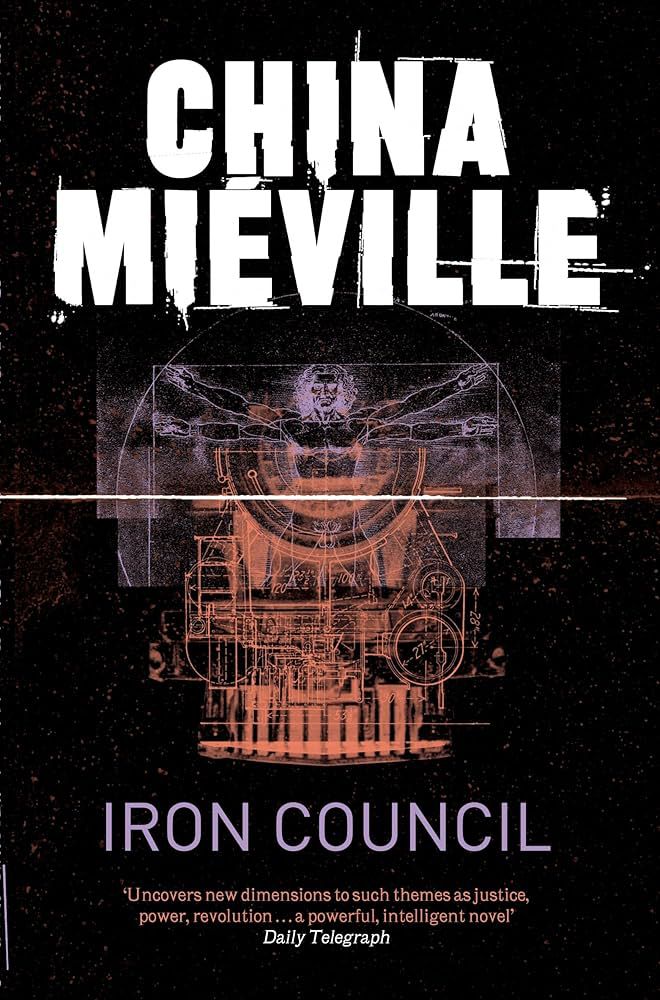
Marxism Reloaded: China Miéville
If Yefremov used Marxism as a disguise, China Miéville wields it as a battle flag. His Bas-Lag trilogy skewers early capitalism with grotesque, surreal fantasy, while The City & the City imagines two populations inhabiting the same streets but refusing to see one another—a neat metaphor for class divisions in any modern metropolis.
Miéville is routinely mocked in mainstream media for still believing in the leftist project. But in a world drowning in superhero blockbusters where billionaires are cast as saviors, perhaps we need his monsters more than ever.
Octavia Butler: Slavery Never Ended
In the 1970s, America congratulated itself on civil rights progress. Enter Octavia Butler, whose Kindred forces a young Black woman to time-slip between modern America and the era of slavery. The lesson: slavery isn’t just history—it’s still here, etched into families, traumas, and institutions.
Readers found this uncomfortable. They still do. Butler’s irony was quieter than Miéville’s, but sharper: while America celebrated its “freedom,” she reminded us whose freedom was still up for debate.
Heinlein: Reaction Masquerading as Rebellion
Some argue Robert A. Heinlein was the subversive conservative of science fiction. True, Stranger in a Strange Land flirted with counterculture, but Heinlein’s core politics leaned toward militarism. His idea that only those who serve in the military should be full citizens doesn’t smash the system; it drags it back to Sparta.
Subversion? Hardly. That’s just nostalgia for boot camp with better spaceships.
Feminism with Teeth: Joanna Russ
Joanna Russ is one of the sharpest, least-read voices in science fiction. Her novel The Female Man splinters into four parallel worlds, each exploring a different way women might resist patriarchy. Beneath it all lies the idea that gender is performance—a script society hands us, and one we can tear up if we like.
Russ wasn’t just subversive; she was gleefully so. The irony is that despite her brilliance, she remains sidelined in a genre still quick to forget its women.

H.G. Wells: Turning the Empire Inside Out
H.G. Wells’ The War of the Worlds is often remembered as thrilling alien-invasion pulp. In reality, it was a savage joke at the expense of empire. At the height of British colonial domination, Wells imagined Martians landing in Surrey and treating England the way England treated India or Africa.
Victorian readers mistook it for patriotic chest-thumping. The irony? Wells had written one of the most devastating critiques of imperialism in the period.
Delany and the Story of Cities
Samuel R. Delany’s Dhalgren remains one of the most perplexing novels in the genre, infamous for its opacity. Yet buried in its swirling prose is a radical idea: even cities are stories. Streets, buildings, and communities hold together because people agree on a shared narrative. Change the story, and the city itself changes.
Delany’s genius was in showing that reality itself is never fixed—it’s a work of collaborative fiction. A fact that authoritarian regimes find deeply inconvenient.

The Strugatskys and the Fragility of Reality
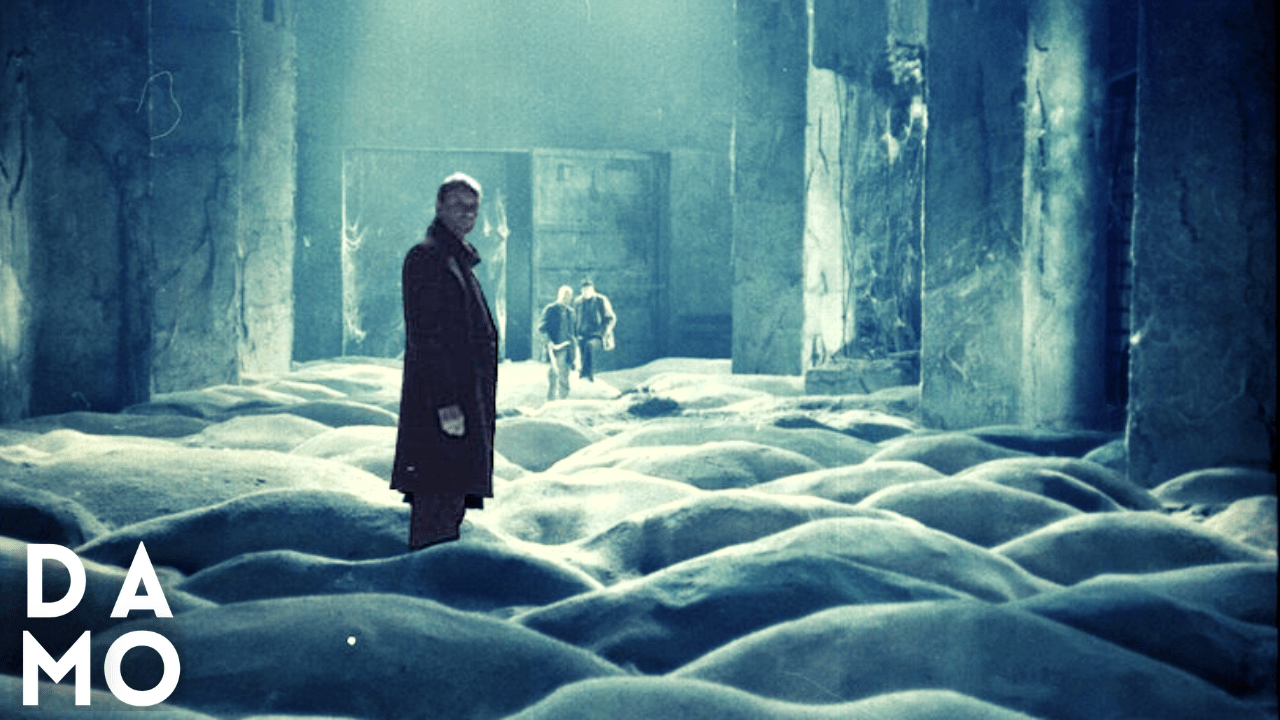
Arkady and Boris Strugatsky’s Roadside Picnic imagines Earth scarred by mysterious alien “zones” where the laws of reality collapse. These zones became the basis for Tarkovsky’s haunting film Stalker.
For Soviet readers, the message was clear: reality is fragile because it’s built on consensus—and consensus can be shattered. The Strugatskys weren’t just describing alien landscapes; they were critiquing the Soviet Union’s attempt to enforce a single, suffocating reality through propaganda.
#
Science fiction has always been more than escapism. It is a laboratory for alternative realities, a tool for poking holes in official stories, and sometimes, a Molotov cocktail lobbed at authority.
Governments, corporations, and ideologues all try to control the narrative. Science fiction replies with a smirk: good luck with that. Because as long as humans tell stories, we’ll imagine worlds that undermine theirs—and sometimes, worlds that make ours better.
 Damien Walter