
By now it’s a pretty old joke to note Donald Trump’s resemblance to Baron Vladimir Harkonnen in David Lynch’s 1984 DUNE movie.
Replace the oil spray with spray-tan and they become identical.
Kenneth McMilan who played the Baron is of Scottish descent, as is Trump through his mother Mary Anne Macleod.
As an English person it’s a relief that for once we aren’t the bad guys.
And, like the Baron, Trump is also basically a comic book baddie.
Watch the full video essay on YouTube
In reality powerful people have always understood that it’s much more intelligent to at least pretend to not be evil.
Consider Tony Blair, Bill Gates or Taylor Swift.
On the surface, all smiles.
But Trump isn’t even bothering to pretend.
Which is why so many Americans are furious with Trump. Since World War 2 the American empire has done a great job of at least pretending to not be evil.
Resource wars for oil were sold as toppling dictators and “expanding democracy”. Covert operations against democratic leaders to secure corporate interests were excused as “fighting communism”.
On one hand you have the largest military industrial complex in human history, on the other ordinary working people who want weekends and healthcare.
The MAGA movement is made of people who look at that and think the baddies are the “commies”.
People who not only believe America when it pretends to not be evil, but think that makes America a wimp! People who cheer when America just goes full on, no excuses, old school Imperialist.
So now Trump also resembles the Baron Harkkonen of Denis Villeneuve’s Dune, soaking in oil while moaning “my Caracas”.
And this is all because Frank Herbert, in his science fiction masterpiece Dune, didn’t just build a universe of Medieval power struggles projected into the far future.
He also wrote a sharp critique of very real world power dynamics, from which we can learn important lessons about our reality here in 2026.
Lessons I have ordered into a convenient 7 point listicle.
1 : A Win For House Trump is Not a Win for You
Trump –probably– understands he will never live to be a Baron, but that’s why he literally called his son Barron.
Barron Trump. Fake it until you make it
Forget nations. Forget ideologies. The game from here on in is who will be the Great House of Planet Earth.
Trump isn’t playing to make America great, he’s playing to make House Trump all powerful. As are the House of Saud, House of Putin and, probably, House of Musk.
There’s a reason Elon keeps spurting out kids with weird names.
Whichever house you live under remember this – a win for House Trump is not a win for you. In fact the exact opposite is true.
You the people are just another resource in the Great House struggles.
You will be disciplined into extractive economic systems.
You will be propagandised with ideologies to keep you compliant.
You will be harvested as consumers with addictive products that slowly kill you.
And your sons will be killed in the House wars.
Every time your Great House wins, by lets say stealing the oil of a neighbouring nation, their power over you grows stronger.
They win. You lose.
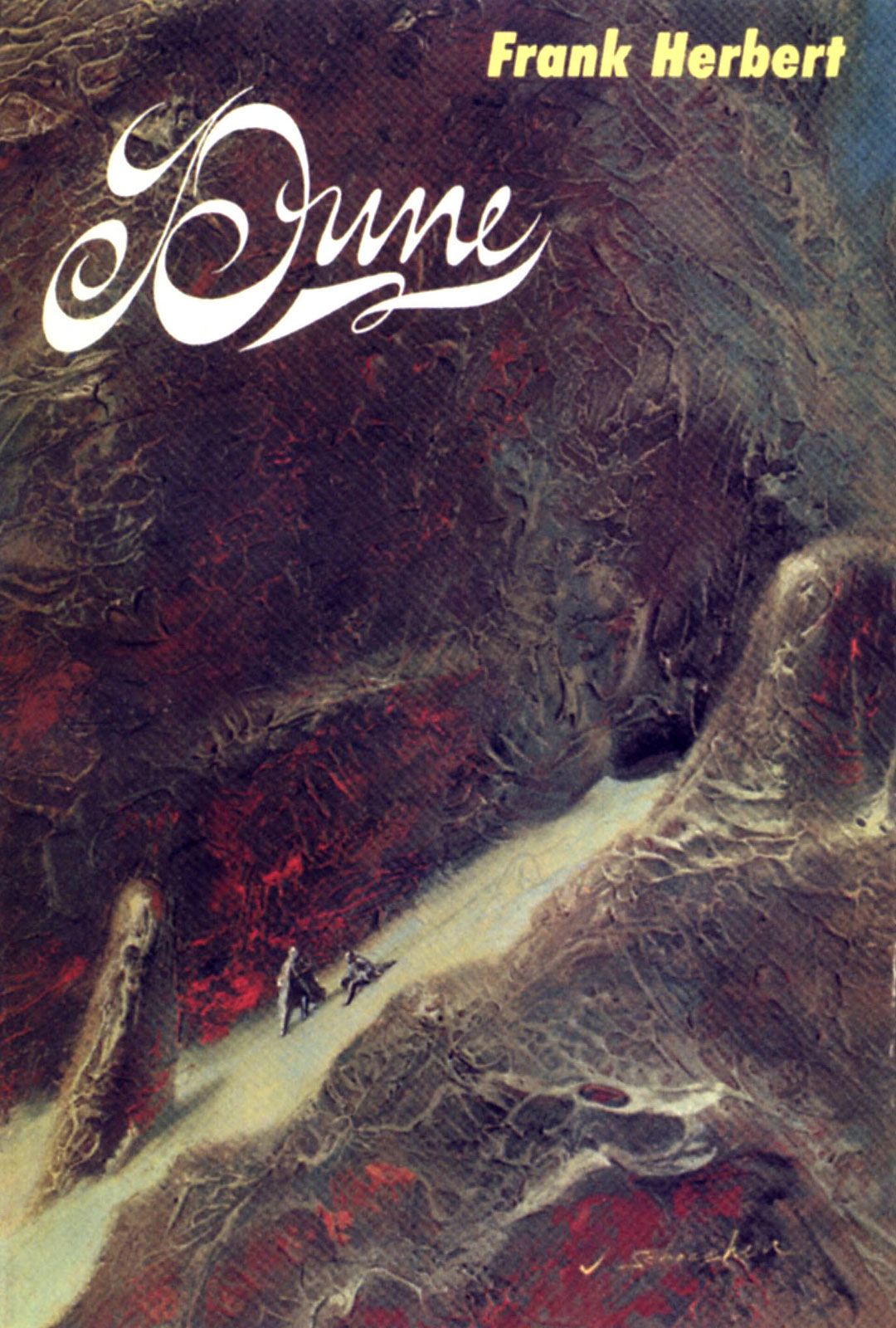
2. He Who Controls the Spice: Follow the Scarcity
Every time Ezra Klein mumbles something about Abundance Capitalism, shout back at him Chokepoint Capitalism.
Capitalism isn’t about providing ever more material abundance to consumers. It’s about controlling the chokepoints of scarcity to maintain power.
In Dune, Frank Herbert made the Spice Melange the ultimate chokepoint. Everything in the Dune universe depends on the Spice. He who controls the spice, controls the universe.
The Spice is of course modelled on the modern world’s dependence on oil. The scarce resource the British and American empires have fought relentless wars over to keep control of the chokepoint.
And with that control the powers of the Dune universe enforce feudalism. It is of course absurd for a galactic civilisation to still be a Medieval feudal society. Humanity should be far beyond the feudalism of Dune.
But this is of course Frank Herbert’s point. Feudalism is the state the Great Houses will always return humanity to if they can.
In 1526 that was agricultural feudalism, in 2026 it is technofeudalism.
If anyone is near Ezra Klein right now, please explain this to him. No amount of technology will create abundance, because the technology will always be abused by power, UNLESS you have the stones to face down the Great Houses and take the power back.
And the reverse is also true.
3. Butlerian Jihad: The Boycott Fallacy
The Butlerian Jihad has become a popular internet meme as LLMs have re-awakened fears of artificial intelligence.
But it’s important to remember that the entire Dune universe is what happens when humanity does *not* build machines “in the likeness of a human mind”.
The Butlerian Jihad is named after Samuel Butler and his 1872 science fiction novel Erewon, one of the first to explore the dangers of AI.
Herbert thought deeply about AI risk in novels like Destination Void and then Dune. But as a radical libertarian Herbert certainly wasn’t in favour of banning AI by religious decree.
In Dune the Bene Gesserit order use false religion to impose control over humanity. Their religious decree against machines in the image of the human mind is one of those control mechanisms.
By banning “thinking machines,” the Bene Gesserit didn’t liberate humanity. They just created a monopoly on intelligence. They forced the human mind to become the machine.
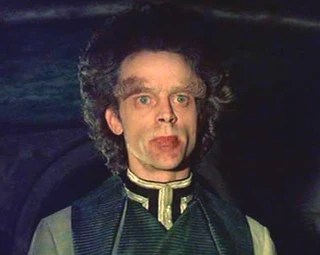
Mentats are just human spreadsheets; Guild Navigators are Google Maps for yhe galaxy.
In 2026, the “Butlerian Jihad” is the ultimate boycott fallacy. Today’s left loves to boycott things. Which is why everything is boycotted by someone, and nothing ever changes.
All boycotting LLMs does is ensue that only the most ruthless Great Houses—the ones who don’t give a damn about your “ethical AI” frameworks—will wield the power of the algorithm.
Dune isn’t a story about why the Butlerian Jihad is a great idea. It’s a brutal warning about what happens if AI is left solely in the hands of House Musk or House Tencent.
4 : Power via the Tap
If you want to know why Arrakis is such a hellhole, don’t look at the worms. Look at the water tap.
Frank Herbert was obsessed with “Hydraulic Despotism”—a term from the historian Karl Wittfogel describing how ancient empires in Egypt and China controlled their populations by owning the irrigation systems. If you control the water in a desert, you don’t need a secret police. You just need a valve.
In 2026 our “water” is data. He who controls the internet controls your access to…everything. At the flick of a virtual switch any dissident citizen can be shadow banned and de-banked.
So you can’t even by a bottle of Evian.
Extend this control to the Smart Grid, Central Bank Digital Currencies (CBDCs) and Social Credit systems and you have “unitary power” for whoever grasps it.
Under the old style of tyranny, they had to send the Sardaukar to kick in your door. In the Hydraulic Despotism of 2026, they just “unauthorise” your digital wallet.
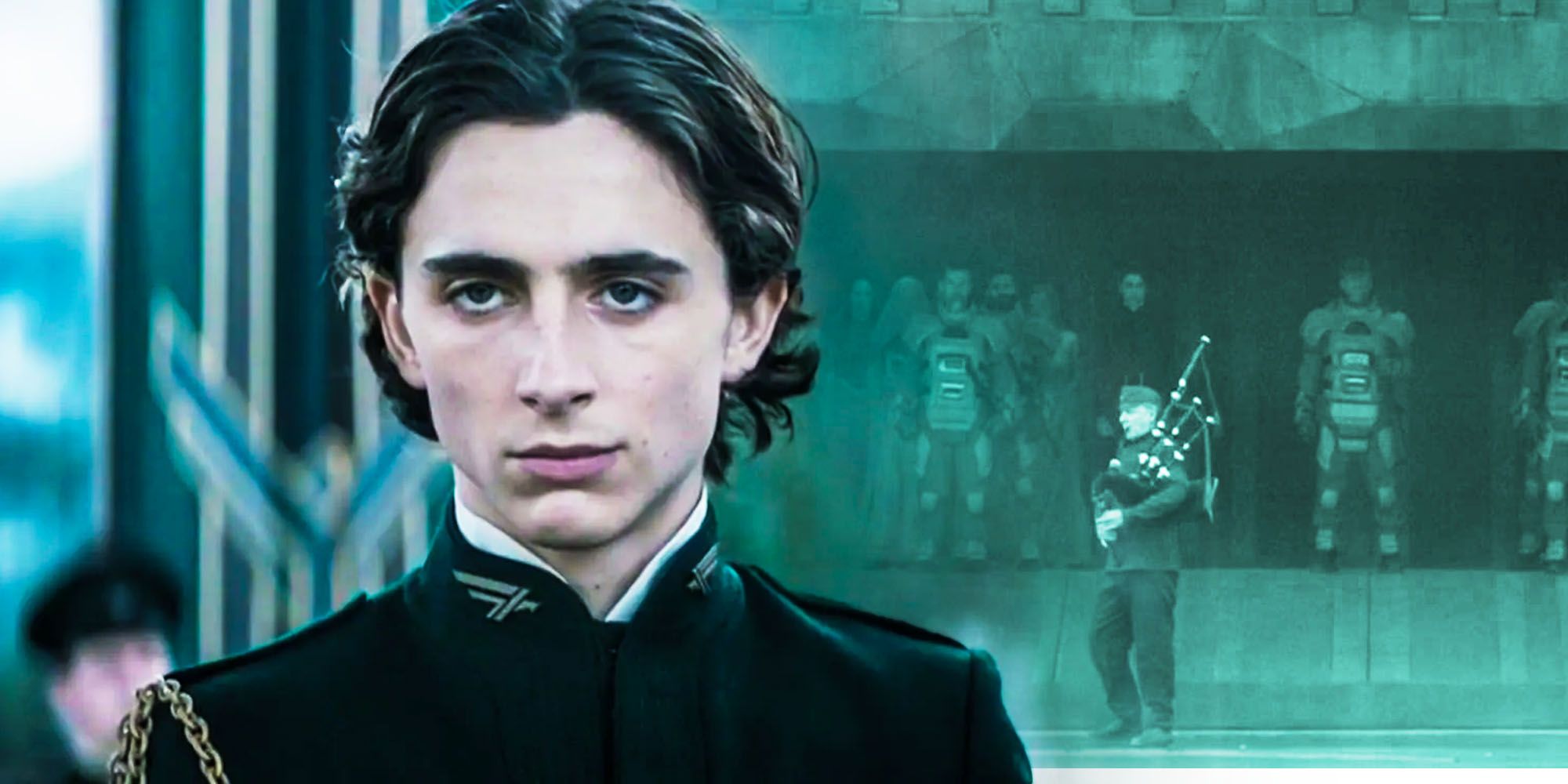
5 : The Charismatic Hero
We love a “chosen one.” We love the story of the young prince who goes into the desert, joins the noble savages, and overthrows the evil Emperor.
But as Peter Turchin reminds us in his theory of “elite overproduction”, Robin Hood and Paul Atreides are both disposed aristocrats.
When society has too many highly educated and ambitious elites kicking about, with or without advanced archery skills or the powers of a Kwisatz Haserach, some will decide that going rebel and raising up the people looks like a winning strategy.
Those willjng and able to use the language of liberation to capture the energy of the subaltern. But once they reach the throne, the Spice must still flow. The elite cycle isn’t broken; it’s just refreshed with a more handsome face.
Maybe it’s a communist manifesto. Maybe it’s an affordability crisis. From Vladimir Lenin to Zohran Mamdani, history always has a handful of charismatic rebels in play.
And they are essential. Change doesn’t happen without some elites slumming it with the rebels.
But as Dune and Paul Attreides show us, the charismatic hero is always a two edged krys knife. It might pay to vote for them, but it never pays entirely to trust them.
6. Narrative Warfare: Missionaria Protectiva
The Bene Gesserit are the ultimate masters of long-term narrative warfare. They don’t win battles with desert power. They win them with the “Missionaria Protectiva” seeding religious myths into “primitive” cultures centuries in advance so that one day, a Bene Gesserit agent can step into the role of a Messiah.
Today our 24 hour online digital culture is saturated with ideologies, theories, conspiracies, fantasies, myths, stories.
Narratives.
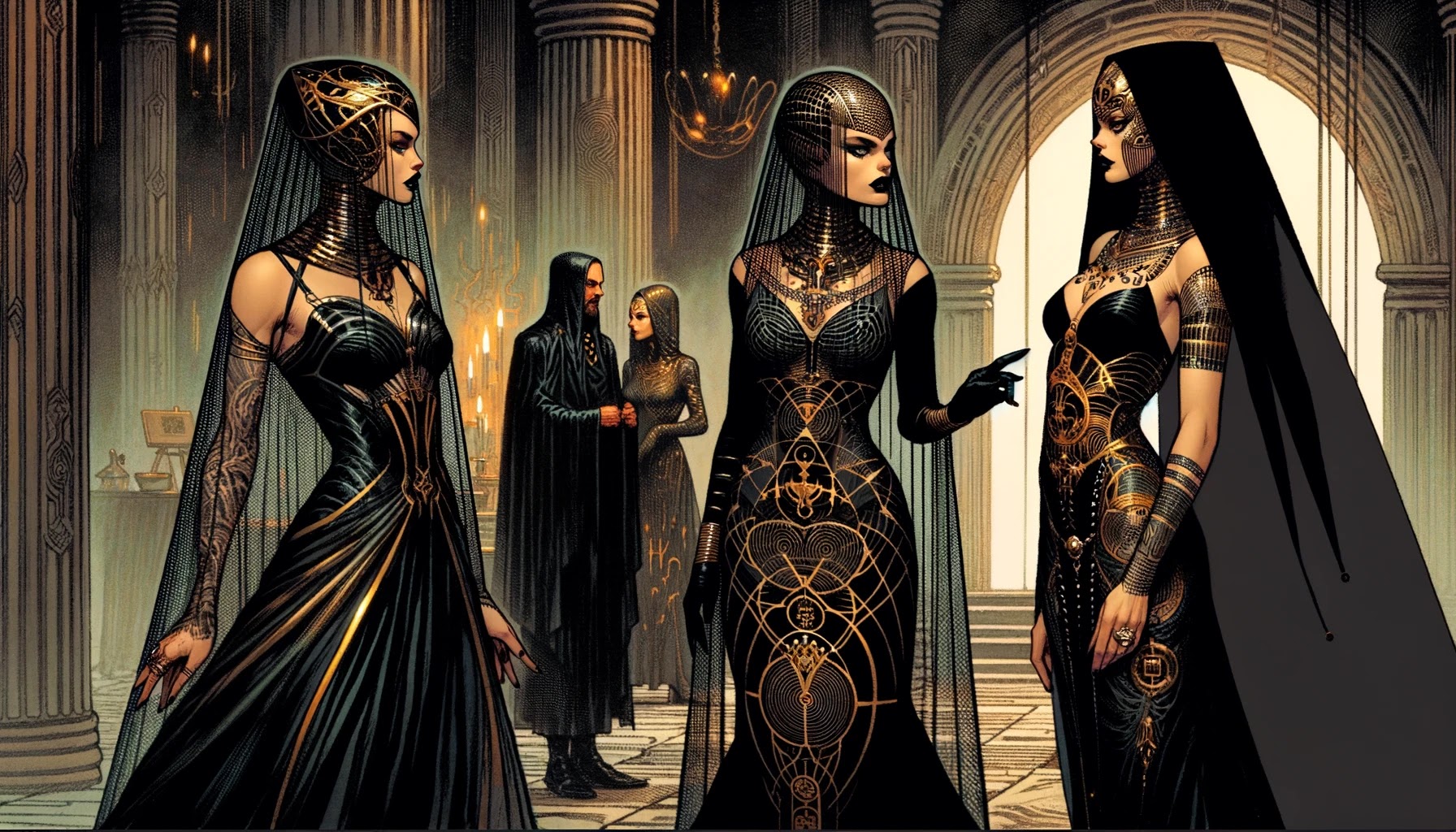
And all of them are designed to serve one power or another.
Power today is the ability to “socially engineer” the future by seeding the myths of today. Our algorithmic feeds are terraforming our minds, planting the “correct” social values and political anxieties so that when an orange hued “Lisan al-Gaib” appears on our screens, we’ve already been programmed to believe the reality tv actor is a “billionaire entrepreneur”.
It’s all too easy to see the bullsh*t that others believe and mock them for it.
But if the dark fate of the Fremen, who are lead to their doom by the scifi version of an Eton public schoolboy with a grudge, is any lesson, it’s that the narrative we hold most sacred…
…is the one we must put the most energy into debunking.
7. Plans Within Plans: The CHOAM Directorship
The most important lesson of Dune is the one people usually find the most boring: the economics of CHOAM.
The Emperor, the Great Houses, and the Spacing Guild spend the entire series trying to kill each other, but they are all fighting to be on the board of directors of the Combine Honnete Ober Advancer Mercantiles.
It’s almost as though Frank Herbert is telling us that the political theatre of the Landsraad – AKA Congress and Senate – the speeches, the filibusters, the “democracy”—is just a distraction from the real power:
Shareholders.
Beyond the “culture wars” and the theatrical antics of House Trump or House Putin in 2026, lies the true ownership of the world’s infrastructure.
The real power isn’t in who wins the election; it’s in who owns shares in global capitalism.
Have you noticed how every government, many corporations and, probably, everyone you know is in debt? Ever wondered who everyone owes that debt to?
Well, it’s about 56,000 individuals of Ultra Net Worth, who have the “Hundy”, one hundred million or over. The 0.0001% who own a real share in global capitalism.
This is the “closed loop.” The Great Houses might fight in public, but they meet in private to divide the spoils of the Spice. And until we understand who owns the CHOAM shares of 2026, we’re all just fighting over the sand while they own the planet.
#
Thank you for sticking with me this far and if you weren’t Black Pilled before, you’ve now had a taste of the Black Pill.
The awakening to the reality of human power in all its grubby horror and banality.
But. Here’s the thing.
We have spent hundreds, thousands, of years sanding the sharp edge off the razor blade of power.
So it’s much harder to cut ourselves shaving.
I have pushed this metaphor too far.
The point is we have, or had, until about a year ago, a political system that was somewhat better than what came befor.
We call it, like it or not, liberal democracy.
In the words of Winston Churchill it’s the worst possible system except for all the others tried.
If you’re a conservative who thinks a strongman dictator will make it all better.
Or a progressive who thinks a charismatic leader and armed revolution are the answer.
Well, good luck living back in the bad old world of Dune.
Listen to the podcast here
 Damien Walter