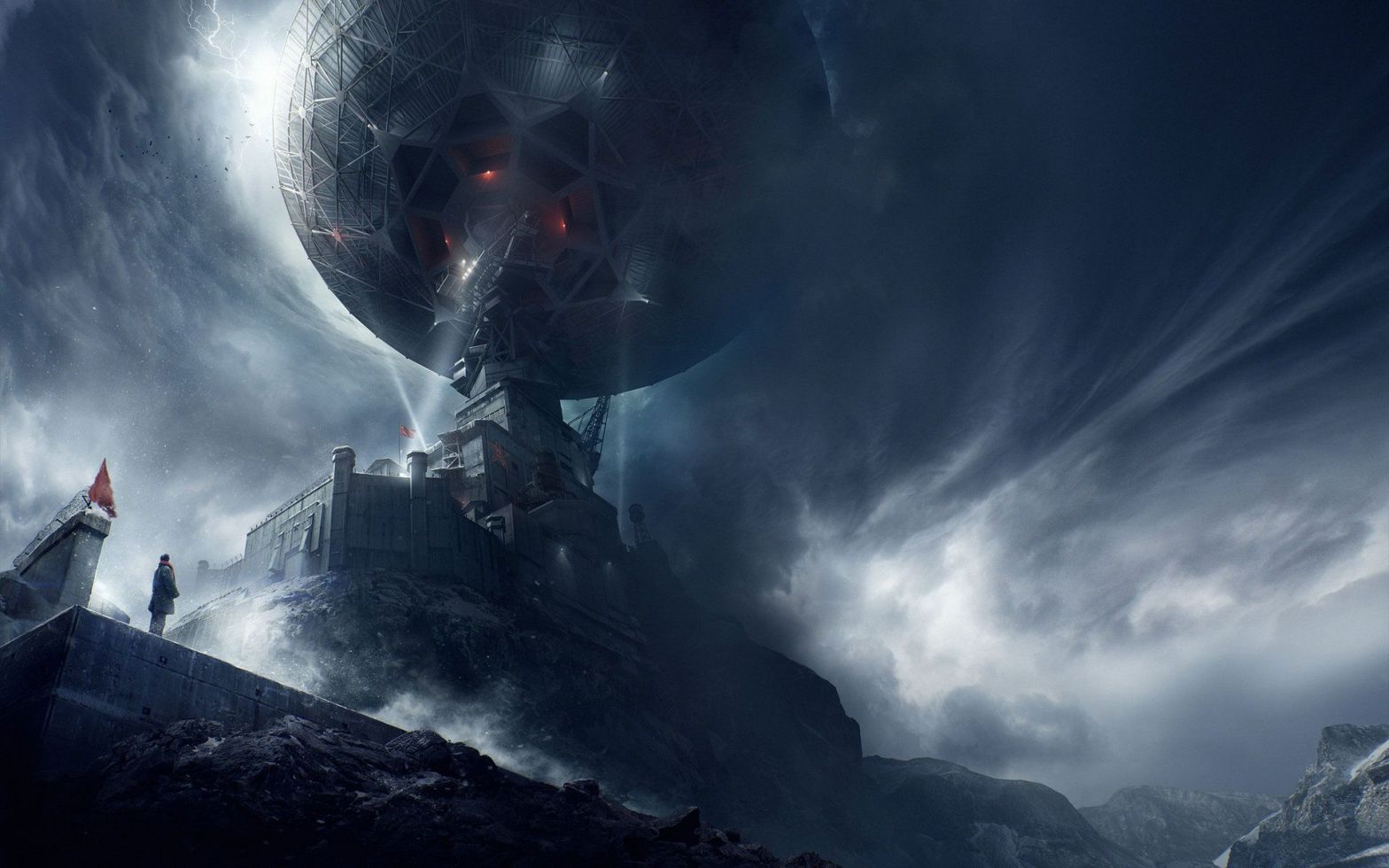
From the June 2019 interview with Liu Cixin in The New Yorker. “When I brought up the mass internment of Muslim Uighurs—around a million are now in reëducation camps in the northwestern province of Xinjiang—he trotted out the familiar arguments of government-controlled media: “Would you rather that they be hacking away at bodies at trainContinue reading “Does Liu Cixin author of the Three Body Problem support the Uighur internment?”
Author Archives: Damien Walter
Neuromancer…still the best science fiction novel ever written

When life takes an unexpected left turn I do four things – tidy my room, go running, take 72 hours away from anything stressful…and read a good book. This time around I landed on Neuromancer by William Gibson. I first read this book when I was 14, I suspect I read it at least sevenContinue reading “Neuromancer…still the best science fiction novel ever written”
How Philip K Dick’s 1960’s masterpiece nailed politics in the 2020’s
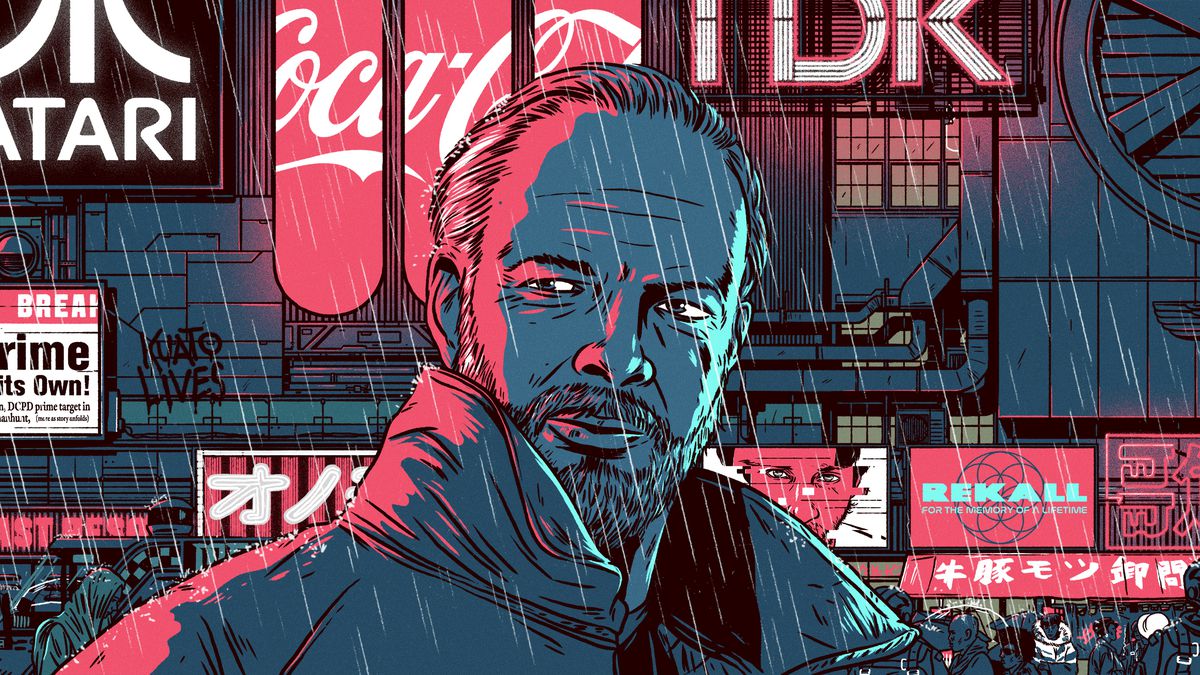
Is Europe welcoming desperate refugees, or being invaded by economic migrants? Is Donald Trump a serious President, or a clownish attention seeker? The Man In The High Castle reveals the most basic truths about our era of competing narratives. * In 1947 the forces of Nazi Germany and Imperial Japan swept to victory over Europe andContinue reading “How Philip K Dick’s 1960’s masterpiece nailed politics in the 2020’s”
Rhetoric of Story – Part 7

Emotion – the secret superpower of story Follow the full course on damiengwalter.com Join the Rhetoric of Story on all good education platforms
Rhetoric of Story – Part 6

Structure – the key to complex storytelling The sixth element of the Rhetoric of Story is the key to telling stories at longer lengths and greater complexity. Without a clear structure, novels and plays are unlikely to hold the attention of an audience for any length of time. Structure is bigger than any single writerContinue reading “Rhetoric of Story – Part 6”
Rhetoric of Story – Part 5

Events – stories within stories We continue the Rhetoric of Story with the fifth element – events! What are stories made of? Not words, not pictures, but events. And what are events made of? More events. Stories are made of events. Our mind pays close attention to events, times when reality does not meet expectation.Continue reading “Rhetoric of Story – Part 5”
Rhetoric of Story – Part 4

Conflict – why can’t we all just get along? The fourth element of the Rhetoric of Story – conflict! Why can’t we all just get along? And even if we did, why stories would still always contain conflict. The important ideas introduced in this lecture include: Conflict arises inevitably because al humans have their own,Continue reading “Rhetoric of Story – Part 4”
Rhetoric of Story – Part 3
Other – the web of relationship This lecture in the Rhetoric of Story introduces the third of seven foundational elements of storytelling – the Other. The key ideas introduced in this lecture are: how do stores that travel through time? as humans we are fascinated by the relationships between people. archetypal relationships repeat again and again inContinue reading “Rhetoric of Story – Part 3”
Rhetoric of Story – Part 2
Self – the engine of story This lecture in the Rhetoric of Story explores the second of seven foundational elements of storytelling – self. The key ideas introduced in this lecture are: every story has at its heart a hero, a protagonist, a central character – a self. we make sense of the world by tellingContinue reading “Rhetoric of Story – Part 2”
Rhetoric of Story – Part 1

Change – where all story begins and ends The first full lecture in the Rhetoric of Story introduces the first of seven foundational elements of storytelling – change. The key ideas introduced in this lecture are: the quality that helped one story live for over 5000 years our brains make sense of constant change byContinue reading “Rhetoric of Story – Part 1”
The remarkable Neal Stephenson interview

Neal Stephenson – legendary author of speculative fiction – on Elon Musk and geek culture, the NSA revelations of Edward Snowden, how negative cultural narratives are killing big science – and the upbringing that made him the writer he is. IN LATE 2013 I had the opportunity to interview the author Neal Stephenson. Some Remarks,Continue reading “The remarkable Neal Stephenson interview”
Introduction to the Rhetoric of Story

What is the Rhetoric of Story? This section contains a few important ideas to take away: The course covers the seven basic elements of storytelling that comprise the “rhetoric of story”. Storytelling has a very long history, new techniques are always being developed, but the basic elements of story remain the same. Rhetoric is theContinue reading “Introduction to the Rhetoric of Story”
 Damien Walter