
I loved short form scifi storytelling. Mirrorshades, the anthology that defined cyberpunk, made me want to write SF. In my 20’s I published two dozen short stories. I really enjoyed subbing stories to these mysterious old magazines that – back in the day – often still demanded you send manuscripts in PRINT! In 2008 IContinue reading “We need the spirit of Dangerous Visions (but we don’t need Dangerous Visions)”
Author Archives: Damien Walter
Write better sci-fi stories with this simple idea
When high-falutin people talk about sci-fi you’ll often hear them use words like novum and the like. Critic and academic Darko Suvin came up with novum to describe the…thing…at the heart of every sci-fi story that makes it sci-fi. Androids hiding as humans! A world populated by talking apes! A portal that leads to everyContinue reading “Write better sci-fi stories with this simple idea”
Is this the moment that inspired the Force in Star Wars?

Much has been written about the origins of Star Wars in ancient mythology, via the work of mythologist Joseph Campbell. But the blockbuster movies’ origins in modern mythology are sometimes forgotten. The Foundation saga by Isaac Asimov is one of the most influential science fiction stories ever written. It inspired classic storytelling from Frank Herbert’sContinue reading “Is this the moment that inspired the Force in Star Wars?”
Science Fiction is not here to entertain you
“Are you not entertained?” Roars a muscular Russell Crowe at the crowd being entertained by murder in a provincial Roman gladiatorial arena. Maximus Decimus is a soldier. To kill men is his profession. He’s better at it than any gladiator. But as a slave he is now reduced to killing for the lowest reason –Continue reading “Science Fiction is not here to entertain you”
How corporate marketing created the Geek identity

Corporations took the intense, subversive, revolutionary force that was science fiction, and they turned it to trash culture. Today’s post is because I was thinking about the idea of the “scifi fan”. And how much I hate it. One thing that may not be apparent to people who don’t work in marketing, because it isContinue reading “How corporate marketing created the Geek identity”
Science fiction sold out. Let’s take it back.
Corporations love to take cool things and turn them to trash to make money. In the early 80s black artists took DJ music loops, rapped radical political lyrics over them, and invented hip-hop. Corporations took hip-hop and degraded it into “gangsta rap”, perpetuating stereotypes of black male violence to sell hip-hop to the masses. CorporationsContinue reading “Science fiction sold out. Let’s take it back.”
What do the literary folks mean when they say science fiction is “badly written”?

Mid-way through Foundation and Empire, Asimov hits an entirely new note in his writing. For the first time he enters INSIDE one of his characters. We see the world as they see it. It’s probably significant that this is also the first major female character in the story. Asimov was a great writer on manyContinue reading “What do the literary folks mean when they say science fiction is “badly written”?”
Call for Stories : What is the future of science fiction?

An open call for non-fiction stories of up-to 600 words, to be published on the Science Fiction medium group. Rolling deadline. For 200 years science fiction has predicted the future. But what is the future of science fiction? The Science Fiction publication on Medium is seeking non-fiction stories in the following categories : ESSAYS –Continue reading “Call for Stories : What is the future of science fiction?”
Yes, Deckard is a replicant. But that’s not Blade Runner’s secret
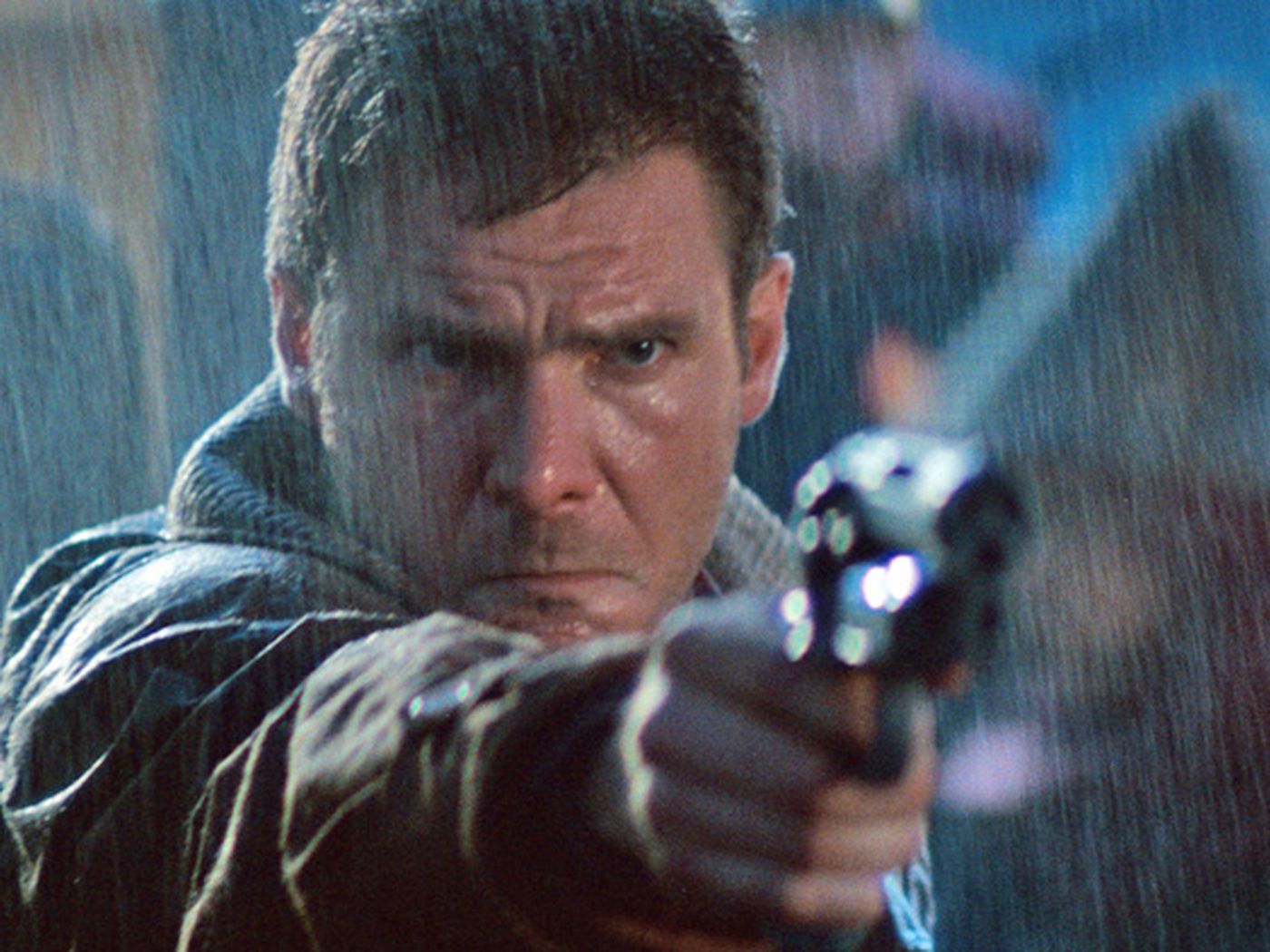
One of the elements that makes Blade Runner so haunting. Deckard isn’t the protagonist of the story. Roy Batty is. The “hidden protagonist” is a technique in noir fiction. The character who ordinarily would be the emotional centre of the story is made background, and instead you follow the antagonist. In PKDs novel Deckard isContinue reading “Yes, Deckard is a replicant. But that’s not Blade Runner’s secret”
Genre fiction is the worst thing that ever happened to science fiction

When did the science fiction community start using “genre” as a proper noun? “It’s a common thing in Genre.” As though “Genre” is a city you can visit. Or a distinct community unified by being “Genre”. It’s one of those linguistic ticks that arise on the internet. But for science fiction it’s also symbolic ofContinue reading “Genre fiction is the worst thing that ever happened to science fiction”
How does M John Harrison enter a story?
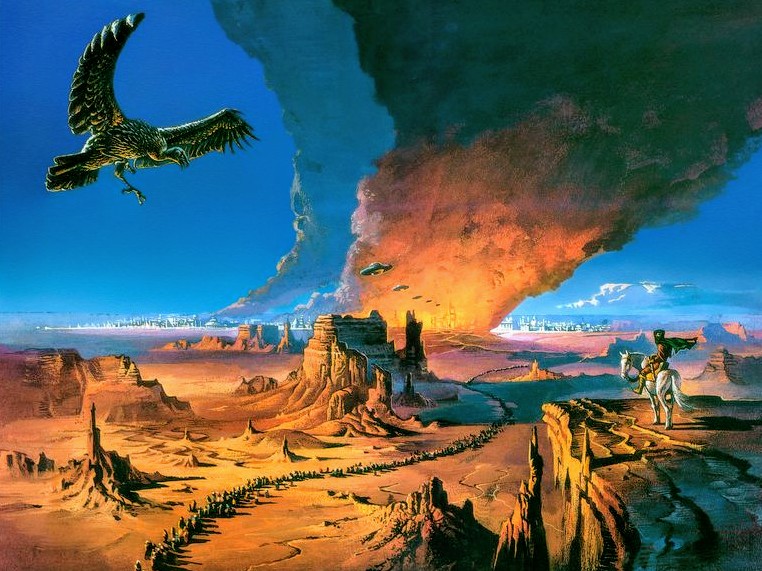
M John Harrison is one of the all time greats, a “science fiction writer’s science fiction writer”, a creator of weird tales in the horror tradition, and a powerful weaver of fantasy. The Viriconium stories defined political fantasy in the 80’s, as the Light trilogy redefined literary SF in the 00s. As editor of NewContinue reading “How does M John Harrison enter a story?”
Denis Villeneuve’s Dune (2020) is doomed

It’s not enough to build an impressive visual world of computer generated imagery. You need to tell the heart of the story. The new Dune trailer suggests Villeneuve has – once again – failed at the most basic task of the storyteller.
 Damien Walter