
I’m quite chuffed to say that my story Star has been accepted by new UK based Universe magazine and will appear in their first ‘Albion’ themed issue in May 2012. Star was written in the 5th week of my time at the Clarion writer’s workshop in 2008. I went to Clarion with the mission of breakingContinue reading “STORY SALE: Star to Universe Magazine”
Author Archives: Damien Walter
Im Abendrot

UPDATE: A new translation sent to me by Richard Gardner UPDATE: A contemporary re-imagining of Im Abendrot by Neil Fulwood UPDATE: I have added a new translation contributed by Robin Wallace, and the amazing performance by Jessye Norman of Richard Strauss ‘Im Abendrot’. I’m collecting translations of the poem ‘Im Abendrot’ by Joseph von Eichendorff,Continue reading “Im Abendrot”
5 indispensable guides for fiction writers
Many people say writing can’t be taught. But it can certainly be learned. (I actually think it can be taught as well, or I wouldn’t teach it.) When we’re young and full of beans we like to think we know it all. It’s hard to admit to ourself we don’t how to do something. ButContinue reading “5 indispensable guides for fiction writers”
The Quest for Weird
Fellow seekers, I need your help as I seek the grail of great, original and independently-published fiction in ebooks and on the web. People have been telling weird stories for as long as we’ve been huddling around fires attempting to keep the dark at bay. Our earliest stories overflow with the weird. The Babylonian EpicContinue reading “The Quest for Weird”
Upcoming Events *Eastercon Update*

As my winter hibernation comes to end I’m stumbling like an angry bear from my cave for a few events over the next few weeks. (Actually I’m quite a chirpy bear currently, so no fear for any of the events organisers involved!) Saturday 10th March : I am the Science Fiction Book Doctor at DerbyContinue reading “Upcoming Events *Eastercon Update*”
Writing Mind, Big Mind, Judging Mind

My friend Amy Sundberg talks about the Writing Mind, in response to Jeff VanderMeer’s missive that forcing your concentration to meet a fixed daily word count isn’t a universally good idea. Even when you aren’t writing, you can still be writing. The imagination is always busy, and sometimes it does its best work when weContinue reading “Writing Mind, Big Mind, Judging Mind”
Selling Out

People used to accuse artists who took the corporate dollar of ‘selling out’. It’s a phrase that seems to have fallen from fashion, perhaps because art has become so aligned with entertainment in the popular imagination that it’s hard for people to see what ‘selling out’ out even means any more. Why would you criticiseContinue reading “Selling Out”
Why English culture is bewitched by magic

From Merlin to Harry Potter, English magic has a long tradition. But what does it say about today’s culture? English occultist, bohemian and author Aleister Crowley defined magick as “the science and art of causing change to occur in conformity with will”. Crowley’s will was aided by the inheritance age 11 of a tidy fortune,Continue reading “Why English culture is bewitched by magic”
Micro Sci-Fi 2 : My eyes are dim, I can not see
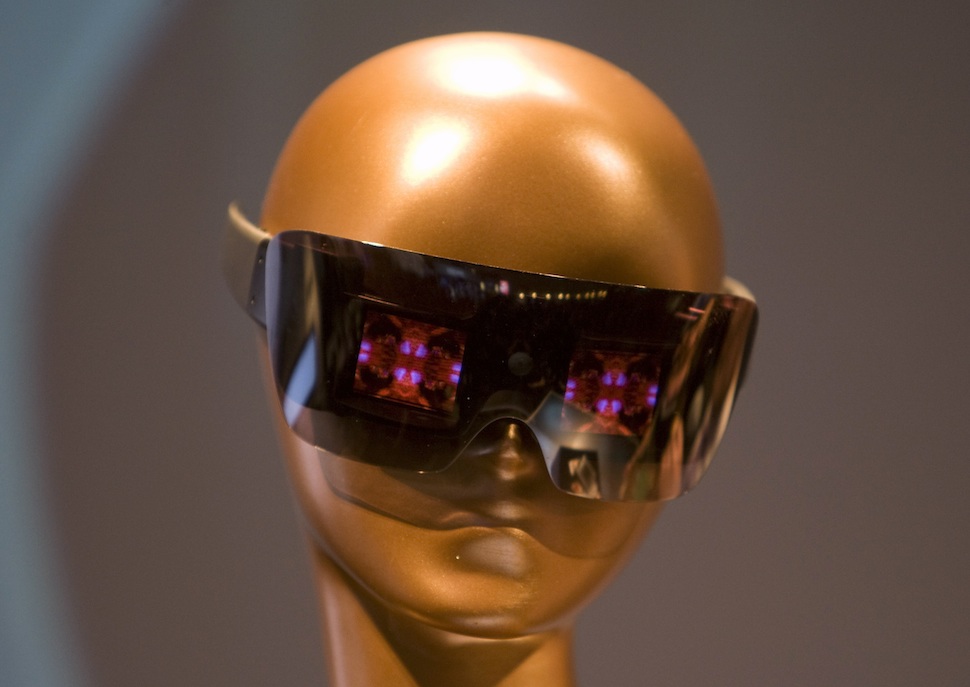
A Google HUD journalist auctions the eternal copyright to her feed for a Quora credit fortune but is replaced by a narrative AI generated from her lifetime experience. Rules of Micro SF: Tell a story in one sentence. It can be any length but must work grammatically and be reasonably well parsed by a reader. Include at least twoContinue reading “Micro Sci-Fi 2 : My eyes are dim, I can not see”
Will the book and the internet merge?

The difference between ebooks and the internet is minimal, and we should be glad the two are growing closer and closer. It’s easy to forget that the world wide web as we know it today evolved from an early attempt to put books on the internet. When Tim Berners-Lee envisaged what would become the worldContinue reading “Will the book and the internet merge?”
Are we living in a corporate society?

The corporate society has been an enduring wellspring of stories over the last century. Inspired by the factory production line, Aldous Huxley predicted a future where humans were born and bred only to fulfil a corporate function in Brave New World. The cyberpunk vision of William Gibson’s Neuromancer charted a future where government had collapsedContinue reading “Are we living in a corporate society?”
Two. Four. Seven. More. How many stories are there?

Paulo Coelho, in a blog post inviting others to steal his books, recently shared the idea that all writers are only recycling four stories. First, because all anyone ever does is recycle the same four themes: a love story between two people, a love triangle, the struggle for power, and the story of a journey.Continue reading “Two. Four. Seven. More. How many stories are there?”
 Damien Walter