
Much has been written about the origins of Star Wars in ancient mythology, via the work of mythologist Joseph Campbell. But the blockbuster movies’ origins in modern mythology are sometimes forgotten. The Foundation saga by Isaac Asimov is one of the most influential science fiction stories ever written. It inspired classic storytelling from Frank Herbert’sContinue reading “Is this the moment that inspired the Force in Star Wars?”
Category Archives: Writing & Publishing
Science Fiction is not here to entertain you
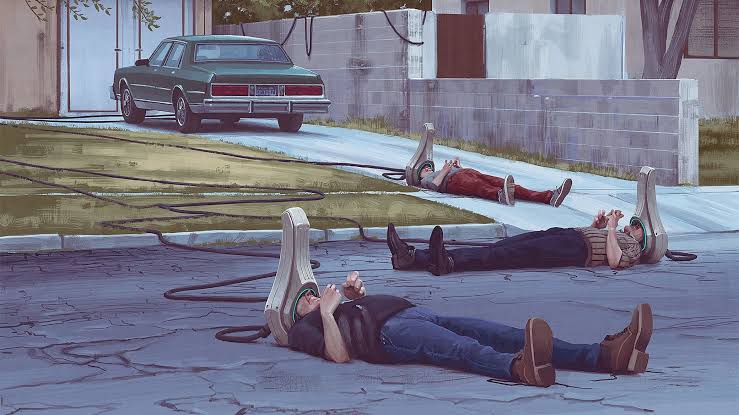
“Are you not entertained?” Roars a muscular Russell Crowe at the crowd being entertained by murder in a provincial Roman gladiatorial arena. Maximus Decimus is a soldier. To kill men is his profession. He’s better at it than any gladiator. But as a slave he is now reduced to killing for the lowest reason –Continue reading “Science Fiction is not here to entertain you”
How corporate marketing created the Geek identity

Corporations took the intense, subversive, revolutionary force that was science fiction, and they turned it to trash culture. Today’s post is because I was thinking about the idea of the “scifi fan”. And how much I hate it. One thing that may not be apparent to people who don’t work in marketing, because it isContinue reading “How corporate marketing created the Geek identity”
Science fiction sold out. Let’s take it back.
Corporations love to take cool things and turn them to trash to make money. In the early 80s black artists took DJ music loops, rapped radical political lyrics over them, and invented hip-hop. Corporations took hip-hop and degraded it into “gangsta rap”, perpetuating stereotypes of black male violence to sell hip-hop to the masses. CorporationsContinue reading “Science fiction sold out. Let’s take it back.”
What do the literary folks mean when they say science fiction is “badly written”?

Mid-way through Foundation and Empire, Asimov hits an entirely new note in his writing. For the first time he enters INSIDE one of his characters. We see the world as they see it. It’s probably significant that this is also the first major female character in the story. Asimov was a great writer on manyContinue reading “What do the literary folks mean when they say science fiction is “badly written”?”
Call for Stories : What is the future of science fiction?

An open call for non-fiction stories of up-to 600 words, to be published on the Science Fiction medium group. Rolling deadline. For 200 years science fiction has predicted the future. But what is the future of science fiction? The Science Fiction publication on Medium is seeking non-fiction stories in the following categories : ESSAYS –Continue reading “Call for Stories : What is the future of science fiction?”
Yes, Deckard is a replicant. But that’s not Blade Runner’s secret
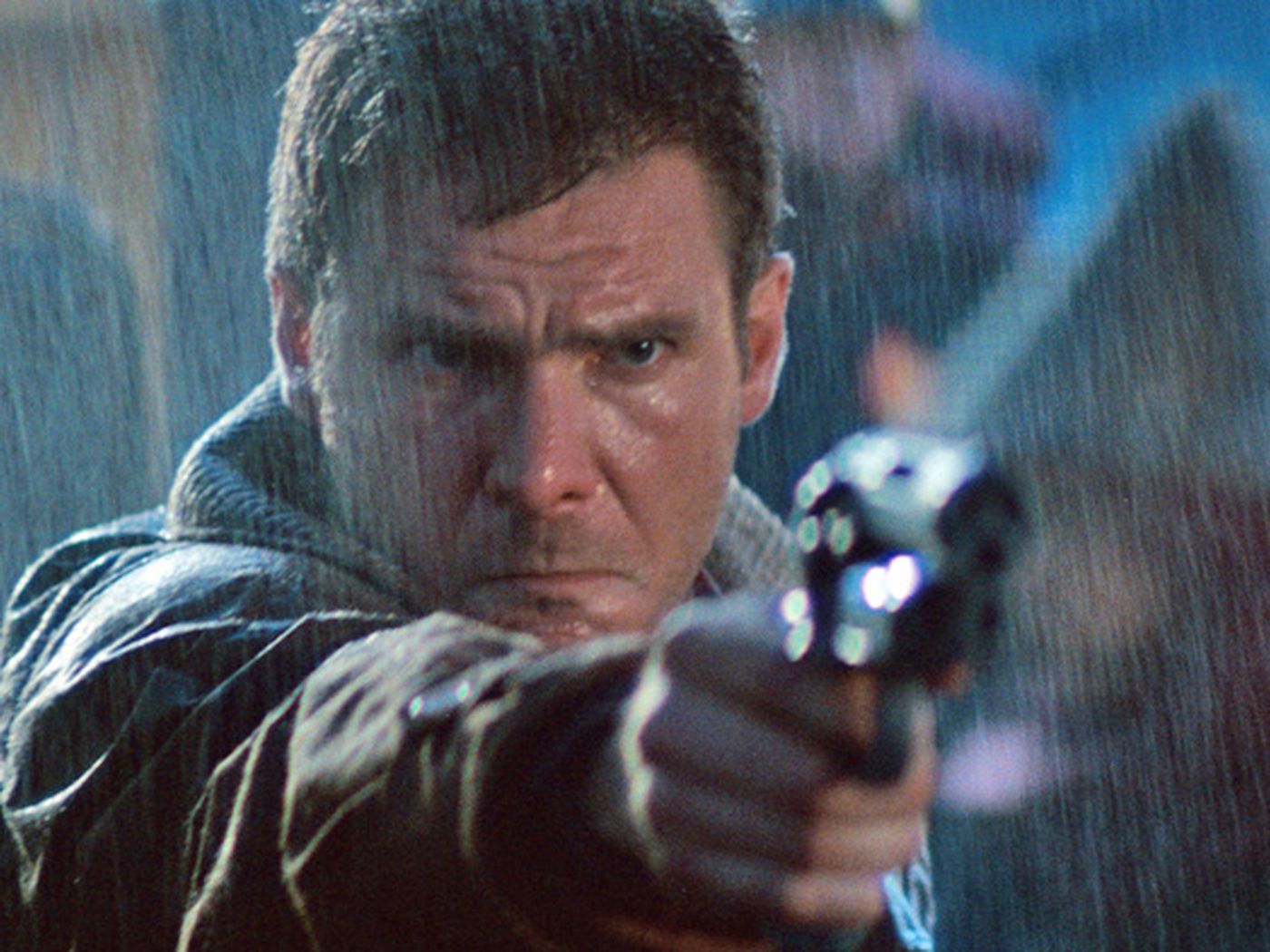
One of the elements that makes Blade Runner so haunting. Deckard isn’t the protagonist of the story. Roy Batty is. The “hidden protagonist” is a technique in noir fiction. The character who ordinarily would be the emotional centre of the story is made background, and instead you follow the antagonist. In PKDs novel Deckard isContinue reading “Yes, Deckard is a replicant. But that’s not Blade Runner’s secret”
How does M John Harrison enter a story?
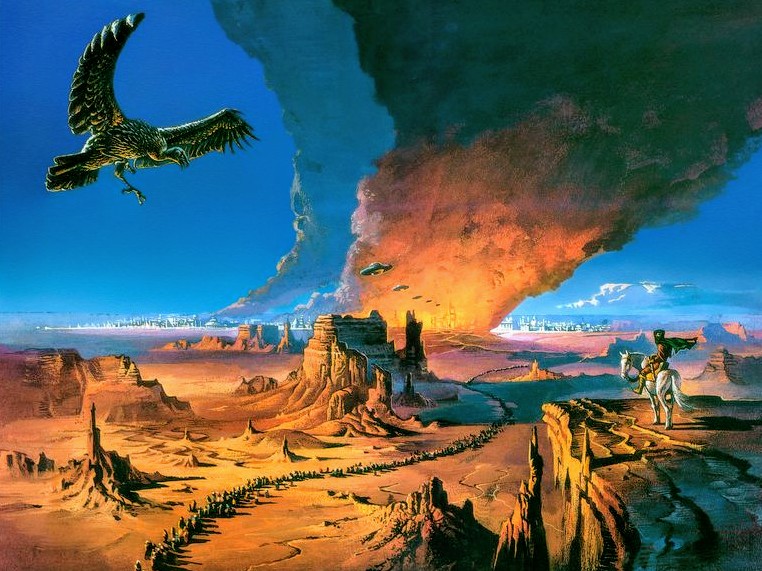
M John Harrison is one of the all time greats, a “science fiction writer’s science fiction writer”, a creator of weird tales in the horror tradition, and a powerful weaver of fantasy. The Viriconium stories defined political fantasy in the 80’s, as the Light trilogy redefined literary SF in the 00s. As editor of NewContinue reading “How does M John Harrison enter a story?”
Denis Villeneuve’s Dune (2020) is doomed

It’s not enough to build an impressive visual world of computer generated imagery. You need to tell the heart of the story. The new Dune trailer suggests Villeneuve has – once again – failed at the most basic task of the storyteller.
Does Liu Cixin author of the Three Body Problem support the Uighur internment?
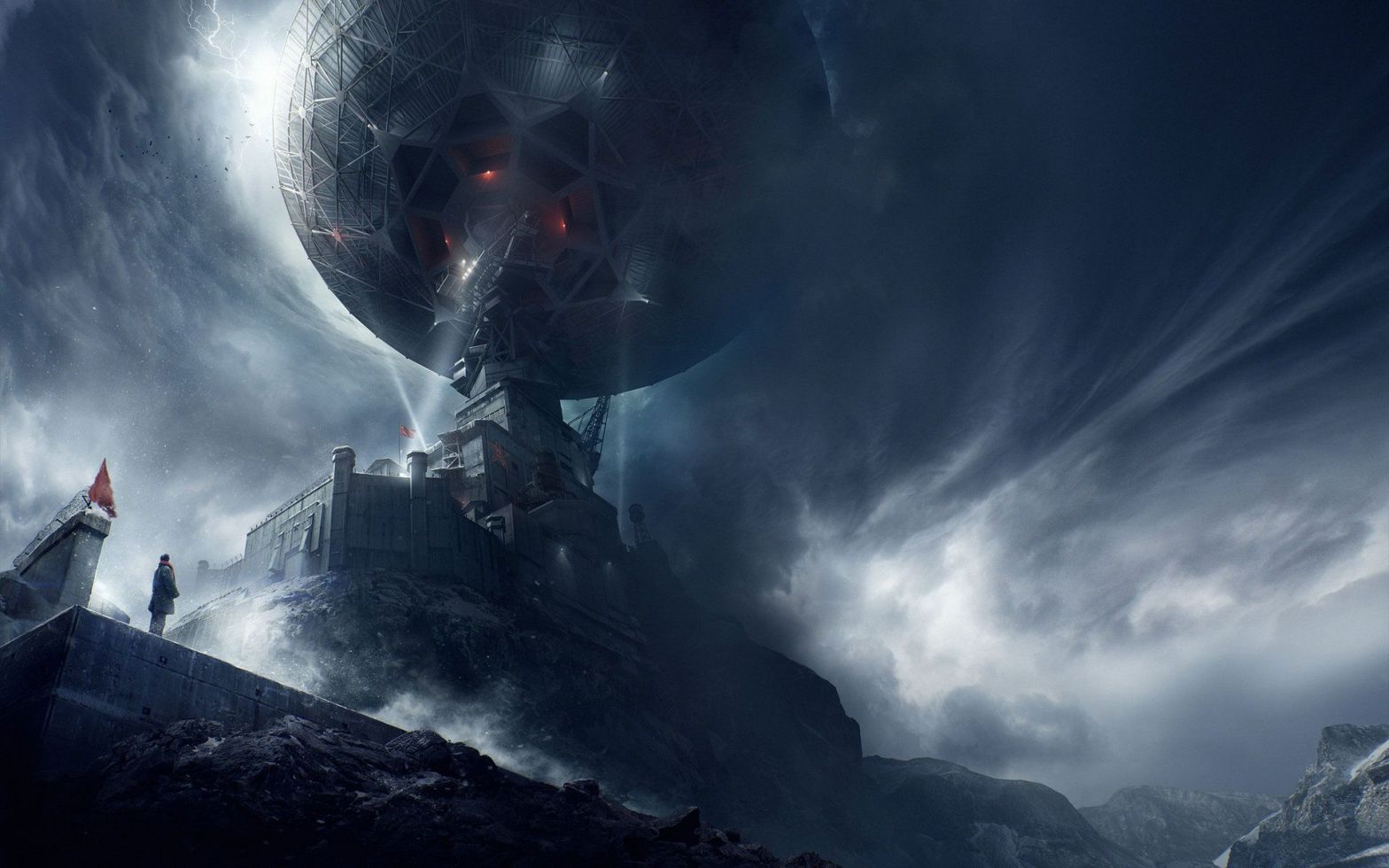
From the June 2019 interview with Liu Cixin in The New Yorker. “When I brought up the mass internment of Muslim Uighurs—around a million are now in reëducation camps in the northwestern province of Xinjiang—he trotted out the familiar arguments of government-controlled media: “Would you rather that they be hacking away at bodies at trainContinue reading “Does Liu Cixin author of the Three Body Problem support the Uighur internment?”
How Philip K Dick’s 1960’s masterpiece nailed politics in the 2020’s
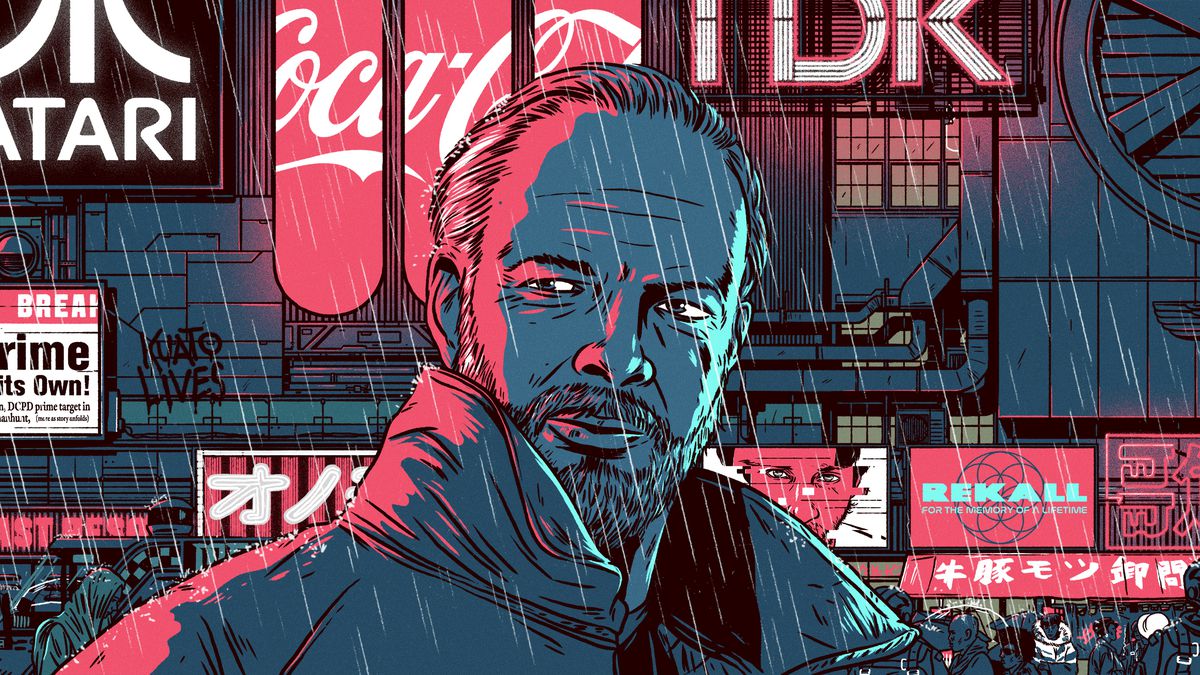
Is Europe welcoming desperate refugees, or being invaded by economic migrants? Is Donald Trump a serious President, or a clownish attention seeker? The Man In The High Castle reveals the most basic truths about our era of competing narratives. * In 1947 the forces of Nazi Germany and Imperial Japan swept to victory over Europe andContinue reading “How Philip K Dick’s 1960’s masterpiece nailed politics in the 2020’s”
Rhetoric of Story – Part 3
Other – the web of relationship This lecture in the Rhetoric of Story introduces the third of seven foundational elements of storytelling – the Other. The key ideas introduced in this lecture are: how do stores that travel through time? as humans we are fascinated by the relationships between people. archetypal relationships repeat again and again inContinue reading “Rhetoric of Story – Part 3”
 Damien Walter