Take a look at this marvellous think piece by Gareth L Powell on the problems with defining science fiction by its Golden Age origins. (I should add that the Golden Age isn’t the origin of science fiction any more than McDonalds was the origin of the burger. It’s just the moment it got reduced inContinue reading “All our genres be broken”
Category Archives: Writing & Publishing
How difficult is it to write a good book?
Here’s an interesting experiment you can replicate if you ever have a class of creative writing students. I’ve tried it a number of times. Give the students a set of writing samples. Have them sort through the samples and categorise them as “good” or “not good”. Regardless of the level of experience of the students,Continue reading “How difficult is it to write a good book?”
Had. Or, why do we accept sub-standard prose?
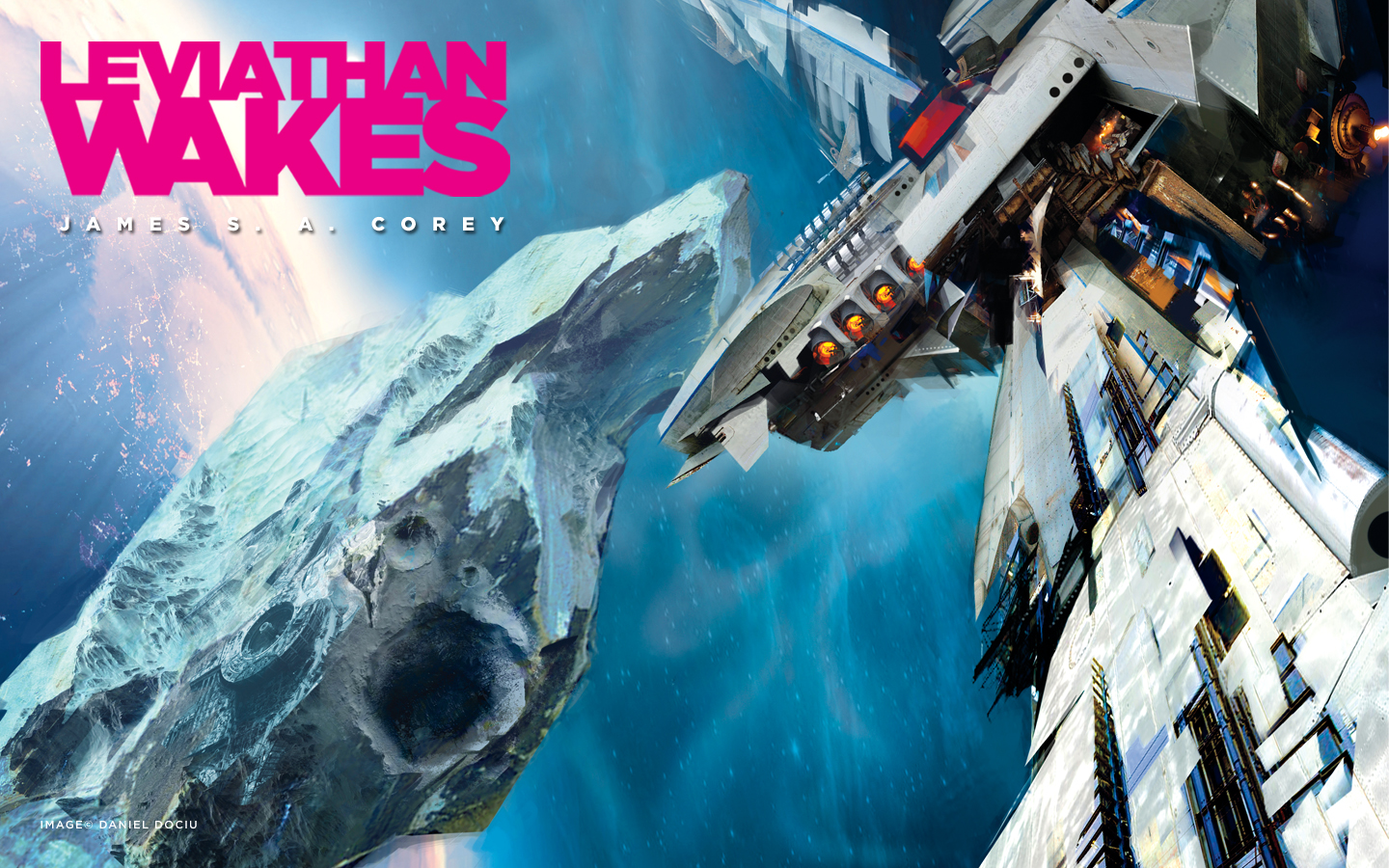
So. For a series of odd reasons now forgotten I was reading the opening passage of Leviathan Wakes by James S A Corey on Amazon, which lead me to comment on the annoying use of the word ‘had’ and various contractions based upon it (she’d, who’d etc) that the author employs. I don’t often dissectContinue reading “Had. Or, why do we accept sub-standard prose?”
Who is the wisest Sci-Fi & Fantasy author?
Over on Twitter and Facebook I asked folk to tell me which SF author they would turn to for life advice, for words of wisdom and guidance through the labyrinth of life. And I got quite a response! [View the story “Wisest of the wise in SF & Fantasy” on Storify] Popular choices include NeilContinue reading “Who is the wisest Sci-Fi & Fantasy author?”
Understanding Christopher Priest
Writing can be a cruel game. Not least for those who, to innocent bystanders, might seem like winners in the game of literary life. Take Christopher Priest for instance. With a long and esteemed career in writing, numerous accolades under his belt and a Hollywood adaptation of his novel The Prestige still within living memory,Continue reading “Understanding Christopher Priest”
Writing Mind, Big Mind, Judging Mind

My friend Amy Sundberg talks about the Writing Mind, in response to Jeff VanderMeer’s missive that forcing your concentration to meet a fixed daily word count isn’t a universally good idea. Even when you aren’t writing, you can still be writing. The imagination is always busy, and sometimes it does its best work when weContinue reading “Writing Mind, Big Mind, Judging Mind”
Selling Out

People used to accuse artists who took the corporate dollar of ‘selling out’. It’s a phrase that seems to have fallen from fashion, perhaps because art has become so aligned with entertainment in the popular imagination that it’s hard for people to see what ‘selling out’ out even means any more. Why would you criticiseContinue reading “Selling Out”
Two. Four. Seven. More. How many stories are there?

Paulo Coelho, in a blog post inviting others to steal his books, recently shared the idea that all writers are only recycling four stories. First, because all anyone ever does is recycle the same four themes: a love story between two people, a love triangle, the struggle for power, and the story of a journey.Continue reading “Two. Four. Seven. More. How many stories are there?”
Why we must reward intelligent fantastic literature
Ladies and gentlemen, allow me to direct your attention to the shortlist for the Kitschies, the annual awards organised by the folks at the Pornokitsch blog, which is quickly establishing itself as one of the two or three most relevant awards in fantastic literature. And the nominated novels are: The Enterprise of Death by JesseContinue reading “Why we must reward intelligent fantastic literature”
Why Science Fiction is the literature of change

Science Fiction is often called a “literature of ideas”. Maybe it is better understood as a literature of change. Listen to the Guardian books podcast: Science Fiction now and tomorrow. Today’s Guardian books podcast, which I was lucky enough to be invited to take part in alongside Lauren Beukes, Alaistar Reynolds, Jeff Noon and MichaelContinue reading “Why Science Fiction is the literature of change”
Meta-content is the future of the book
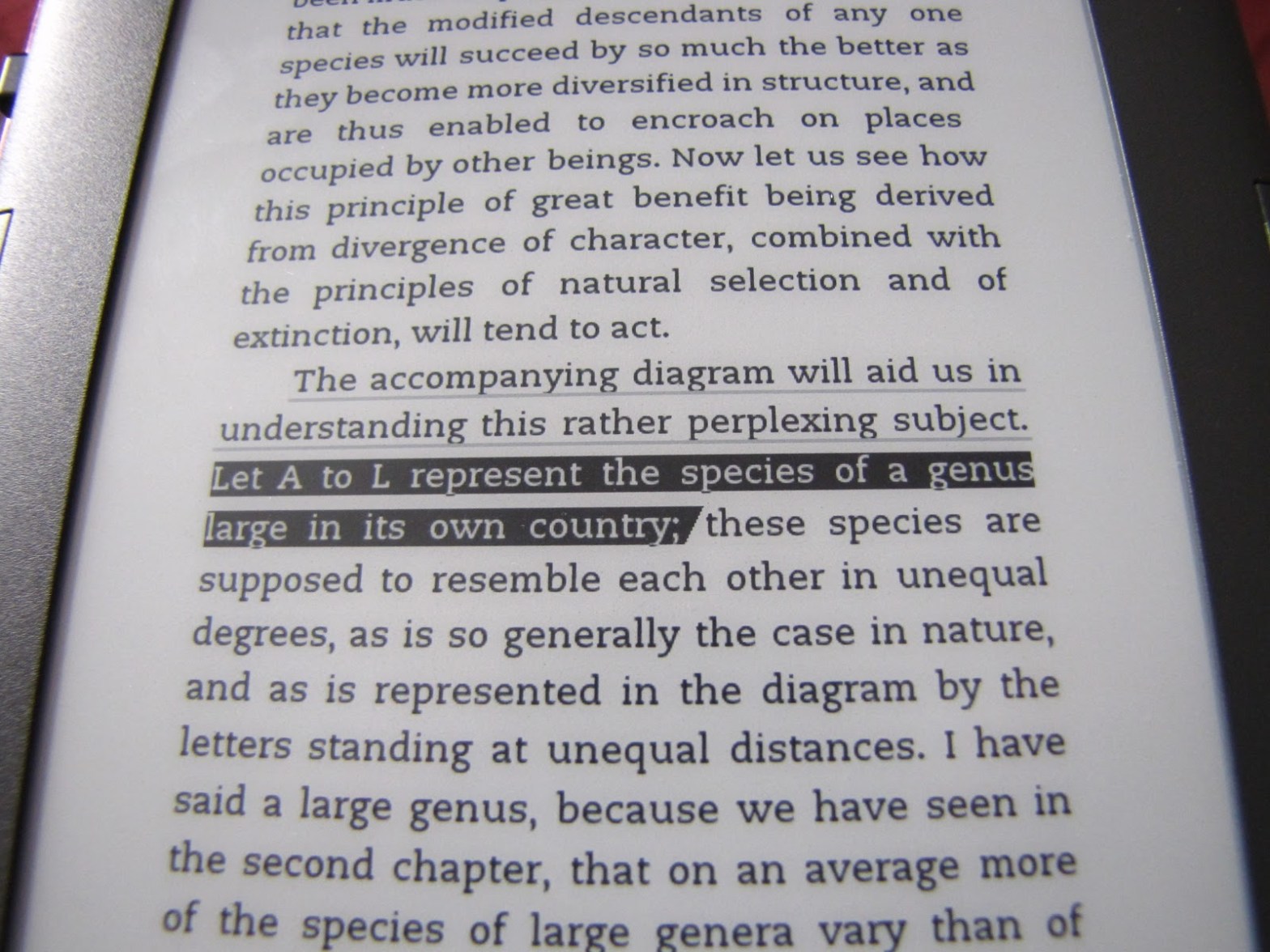
This evening I bought Jeffrey Eugenides ‘The Marriage Plot’ from the Amazon Kindle store. I would love to say that I always buy books when it would be just as easy to download a pirate version for free, but I would be being dishonest. But buying the book has recently become a far more likelyContinue reading “Meta-content is the future of the book”
I don’t believe I’m about to have this argument, but…
After enough years in fandom there are certain arguments you learn to steer clear of because they are futile and never end. Genre definitions are one of them and I really should know better by now, however… The pugnacious @gavreads earlier tweeted the following definitions, distilled from this IO9 report on a talk between Margaret AtwoodContinue reading “I don’t believe I’m about to have this argument, but…”
 Damien Walter